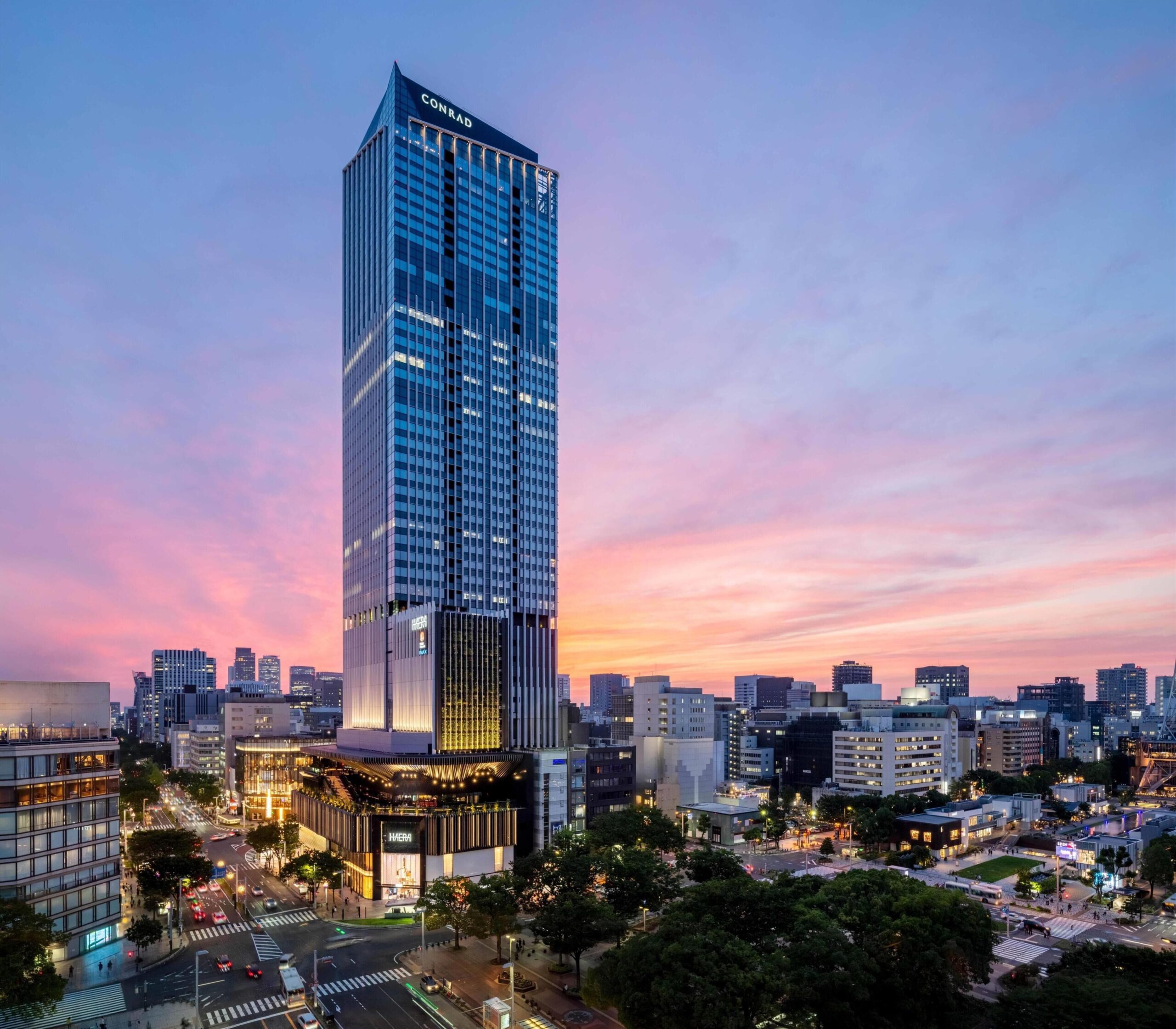
The journey to 1 Hotel Tokyo ends among leaves. The lift rises through Akasaka Trust Tower; the doors open on the 38th floor, and the city gives way to stone, timber and living green. Tokyo remains beyond the glass, but the first impression belongs to a garden suspended above it.
Opened on 5 March 2026 as the brand’s first hotel in Asia, 1 Hotel Tokyo occupies floors 38 to 43 of the tower. Its address is unmistakably metropolitan: Akasaka below, the Imperial Palace gardens and Tokyo Tower within the wider view. Yet the hotel draws the eye inward, toward the grain of reclaimed wood, the rough surface of Oya stone and a ceiling whose lines recall the raked sand of a Japanese garden.
The effect is a slower way of seeing Tokyo.
A Garden Begins on the 38th Floor
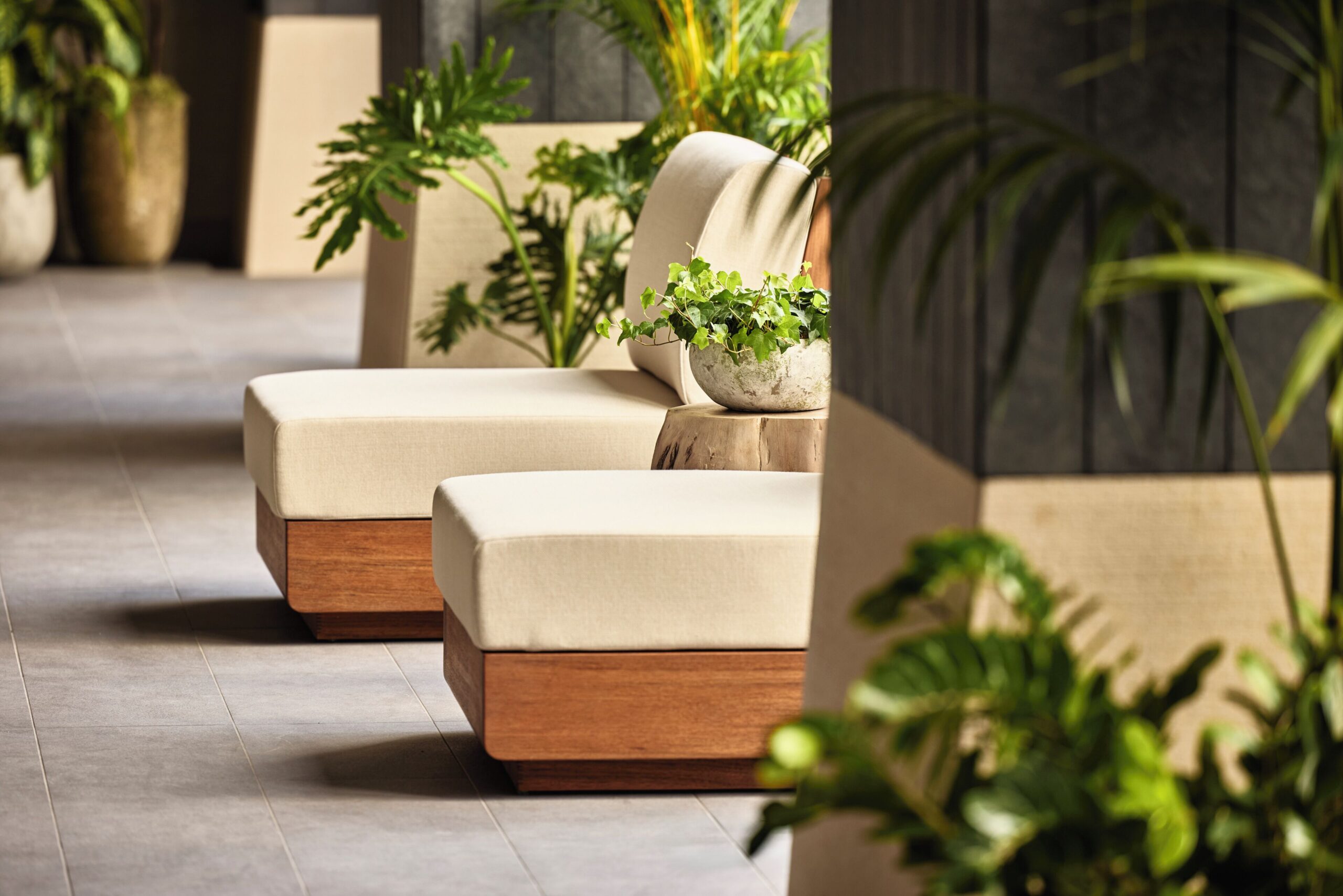
Greenery is not confined to a vase or a courtyard here. More than 300 plants inhabit the lobby, with a further 1,200 placed throughout the guest rooms. Moss-softened surfaces and planted walls appear beside stone and timber, allowing the architecture to feel cultivated rather than decorated.
The lobby ceiling carries the measured curves of a dry garden. Nearby, lanterns are stitched by hand. Oya stone from Tochigi brings a porous, almost earthen texture to the high-rise interior. Familiar materials and gestures—the garden, the lantern, the hand-worked surface—find a natural place in present-day Tokyo.
It is an apt introduction to a hotel whose idea of luxury rests on attention. The pleasure lies in noticing where a piece of wood has kept its irregular edge, how foliage softens a view, or how evening light catches a surface that has not been polished into anonymity.
Rooms Where the Skyline Meets the Grain of Wood
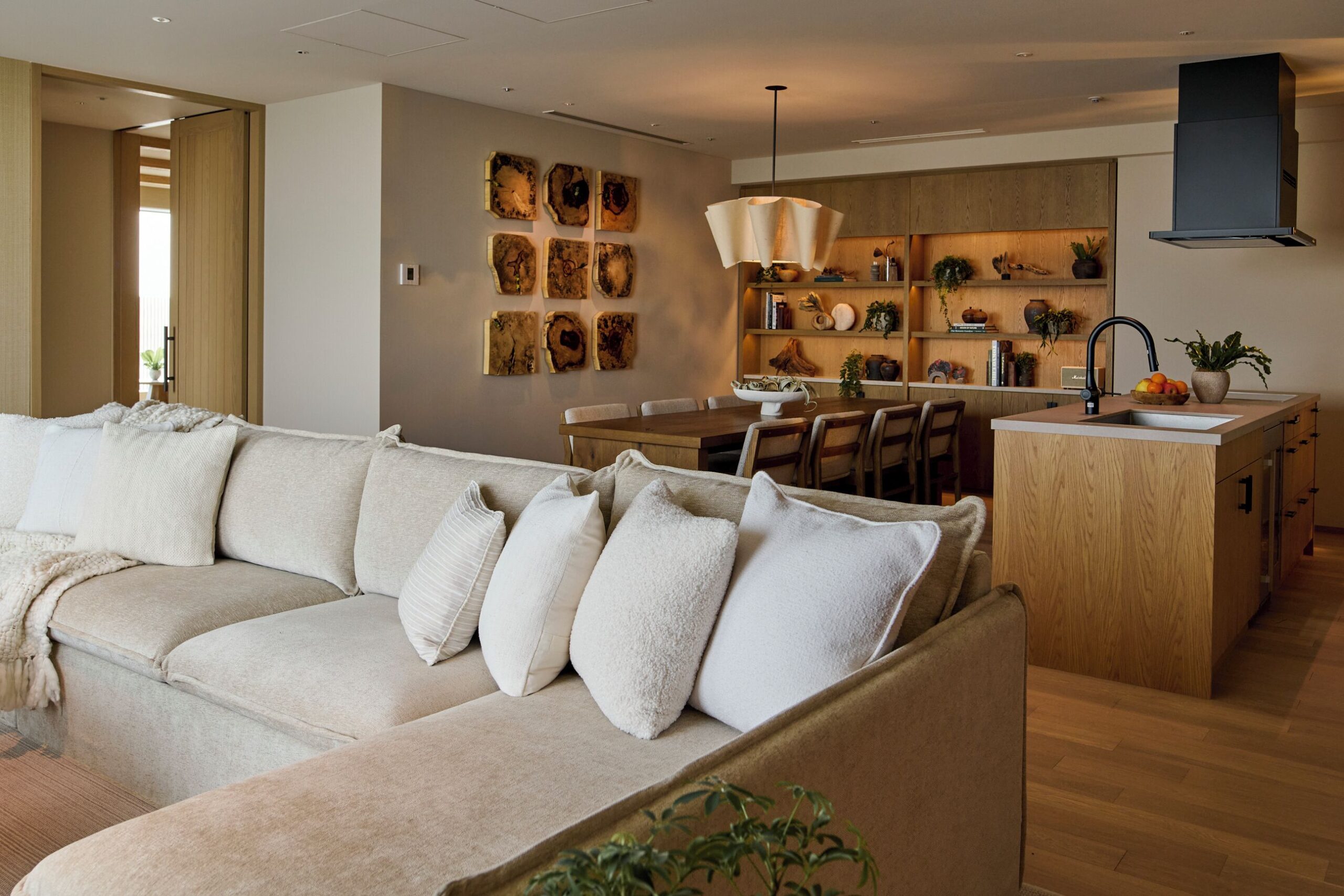
The hotel has 211 rooms and suites. Even the most compact Alcove King begins at 32 square metres, while Tower and Skyline categories open more fully toward the city. Across the rooms, native greenery and reclaimed materials temper the expanse of glass.
Live-edge timber at the headboard preserves the original line of the tree. Stone vanities carry the small variations of a chiseled surface. Filtered-water taps and drinking glasses made from repurposed wine bottles bring the hotel’s environmental thinking into the objects handled each day.
 (Paid link)
These details matter most in the quiet hours. In the morning, pale light moves across wood and stone before the streets below are fully awake. After dark, Tokyo becomes a field of electric colour beyond the window, while the room keeps its more tactile palette close at hand.
The finest rooms add another layer to that relationship. Panoramic suites look toward the city, tower or gardens; the names Hinata, Komorebi and Midori borrow the language of sunlight and green. Their generous space allows nature to remain visible even at this height.
See 1 Hotel Tokyo room options and current rates on Expedia →(Paid link)
Two Coasts at the Table
On the 38th floor, NiNi takes its name from the idea of “two-two”: two coasts, two cultures and two rhythms meeting at one table. Mediterranean brightness arrives through olive oil, citrus, Provençal herbs and seafood, then meets a Japanese regard for season, craft and restraint.
The conversation suits the hotel. A plate may carry the ease of the Mediterranean, yet its ingredients and timing belong to Tokyo. Lunch is designed to linger; evening gathers more energy as the windows darken and the city begins to glow.
 (Paid link)
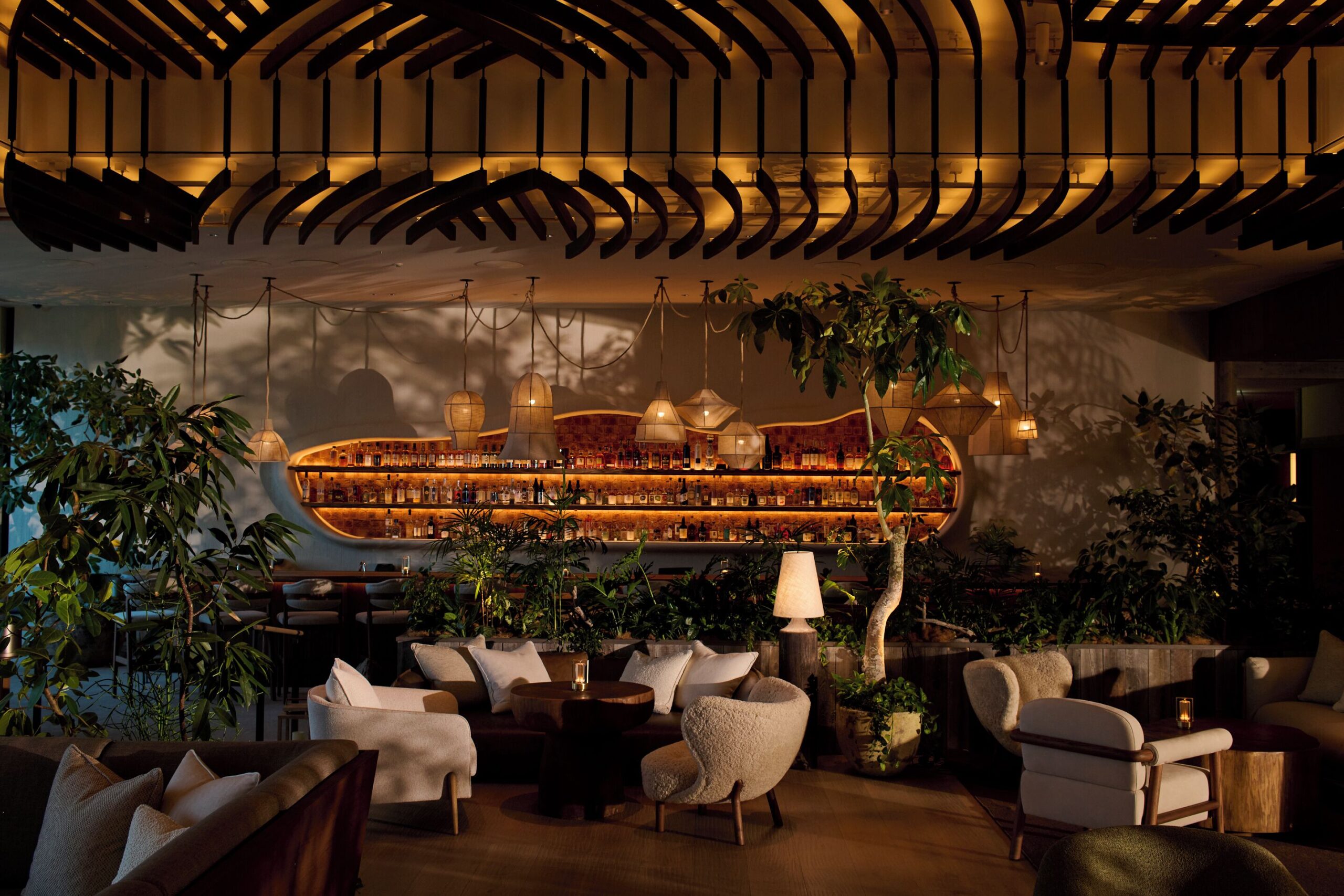
Spotted Stone follows with another distinctly local lens. The bar centres on a carefully curated selection of Japanese gin. Botanicals, glassware and the precise ritual of a martini bring craft into the later hours, while the natural textures of the room prevent the skyline setting from becoming too polished.
There is also a small daily gesture near the lobby. The Farmstand offers seasonal fruit that may be imperfect in appearance but would otherwise go unused. It is easy to pass on the way to the lift; it is also one of the clearest expressions of the hotel’s character—generosity without needless waste.
Water, Steam and the Pale Morning Sky
Wellness shares the 38th floor with the city view. The indoor pool is lined with natural materials and softened by gentle light, its surface holding a quieter reflection of Tokyo than the windows around it.
 (Paid link)
Morning reveals the room with particular clarity. The water is still, the skyline has regained its edges, and the movement of the city remains far below. Seen from the pool, Tokyo seems to move at another pace.
Bamford Wellness Spa continues that sense of measured restoration through treatments using natural and organic ingredients. A hammam fills the air with warm mist. In the Lavender Relaxation Lounge, tea and light refreshments draw out the pause before and after a treatment. The 24-hour Field House gym faces outward again, returning the body to movement with the skyline in view.
Together, these spaces create a gentle sequence: water, steam, tea, then the city. Nothing needs to be hurried.
Sustainability You Can Touch
The tower holds CASBEE’s highest S rank, but the hotel’s environmental thinking is most convincing when it becomes tangible. Reclaimed furnishings retain the memory of earlier material. Low-flow fixtures and in-room filtration reduce water and single-use plastic. The building’s energy systems monitor consumption continuously, while irrigation responds to weather and soil conditions.
The most memorable gestures are often the smallest. A wooden block marked “1 Less Thing” invites guests to leave behind clothing for donation. Recycled glass sits by the filtered-water tap. Plants live not only in the public rooms but beside the rituals of waking, bathing and returning at night.
The result establishes a particular standard of care. Materials are allowed a second life. Useful objects are made beautiful. Comfort and consequence are considered together.
The City, Seen Through Leaves
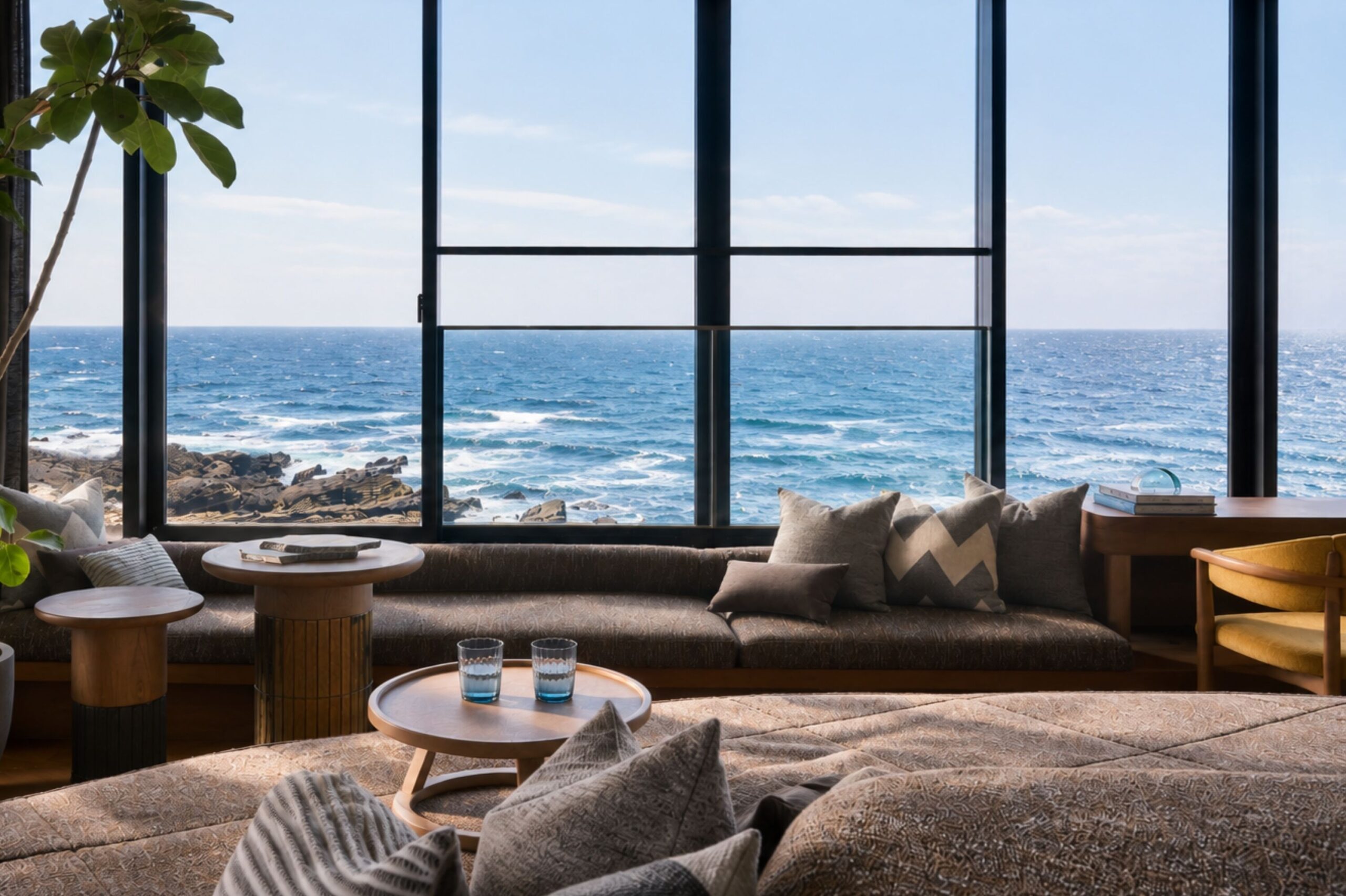
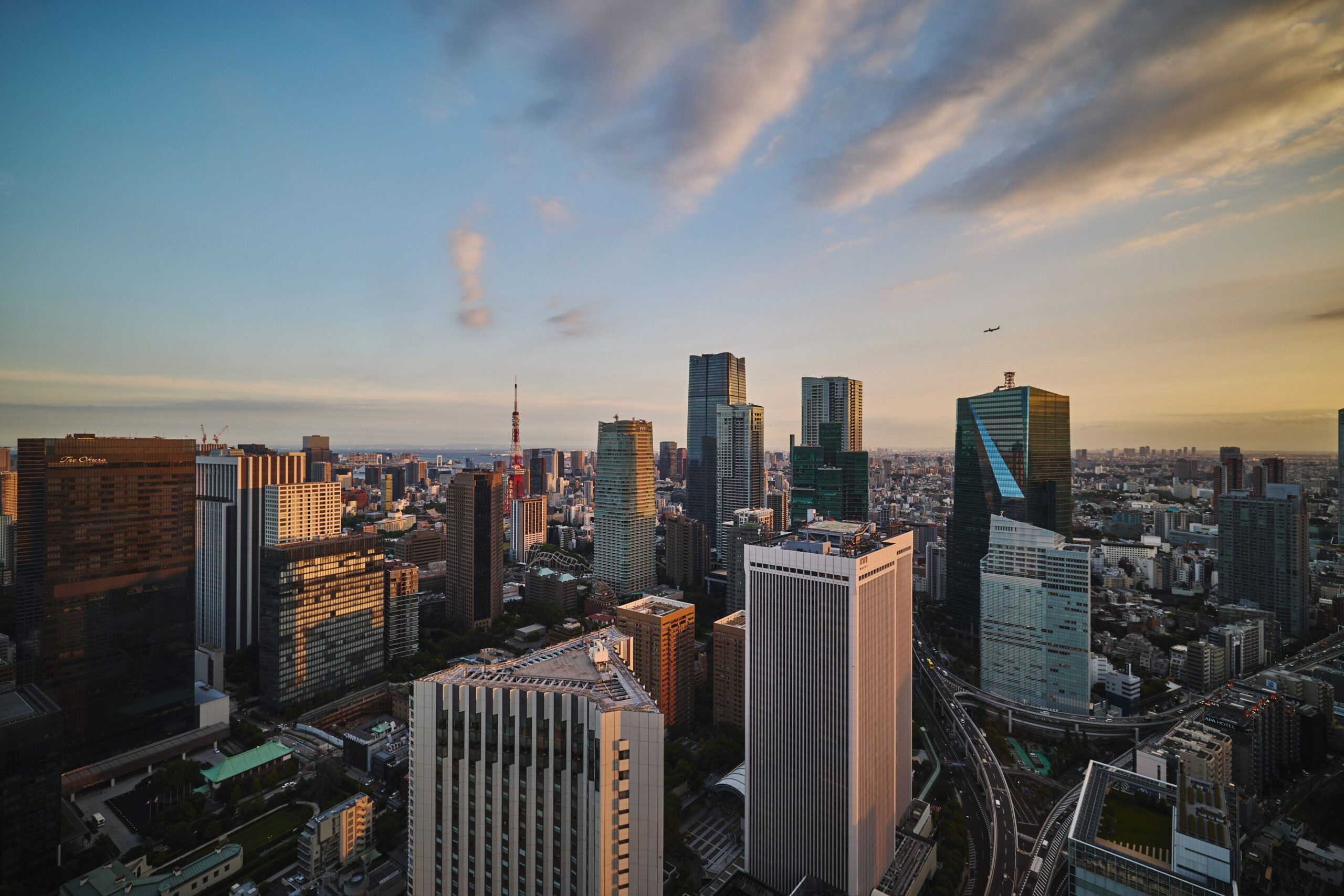
At dusk, Akasaka changes character. Office windows begin to shine, Tokyo Tower takes on its familiar colour, and the Imperial Palace gardens settle into a darker plane beyond the buildings. From the upper floors, the view is broad enough to hold several versions of Tokyo at once.
 (Paid link)
Inside, the garden remains close. Leaves interrupt the straight lines of the tower. Timber keeps its uneven edge. Stone bears the trace of the tool that shaped it. The city outside is exact and luminous; the room answers with texture.
By morning, the lift returns to street level and Akasaka resumes at full speed. What lingers is a skyline encountered through another material language—greenery against glass, stone above the avenues, and daylight moving quietly across wood.
View 1 Hotel Tokyo on Expedia and check current rates →(Paid link)