Spend the afternoon at an exhibition in Roppongi Hills, walk along Keyakizaka, and sit down to dinner at the hotel. Afterward, move to a bar with live music, then take the lift back to your room. The next morning can begin with a swim in a red-granite pool before the short walk to Roppongi Station.
Grand Hyatt Tokyo draws much of its character from this movement between hotel and neighbourhood. The Mori Art Museum, Tokyo City View, a cinema, shops and restaurants all sit within Roppongi Hills, giving an overnight stay more possibilities than the guest room alone.
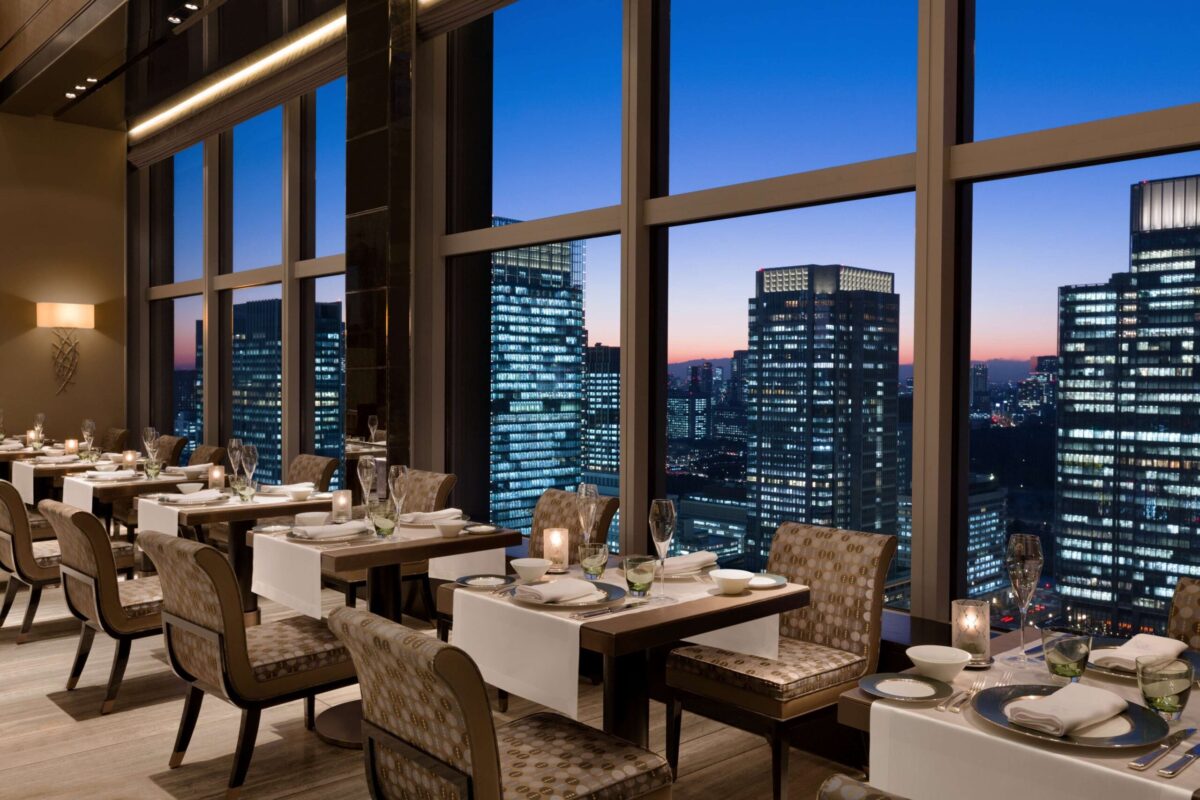
Inside the hotel, the choice extends from steak and Edomae sushi to teppanyaki, Japanese and Chinese cooking, Italian dishes and a late-night music bar. Standard rooms begin at 42 square metres, so the evening can end in a space with enough room to settle in rather than simply sleep.
An Evening on Keyakizaka Starts the Stay
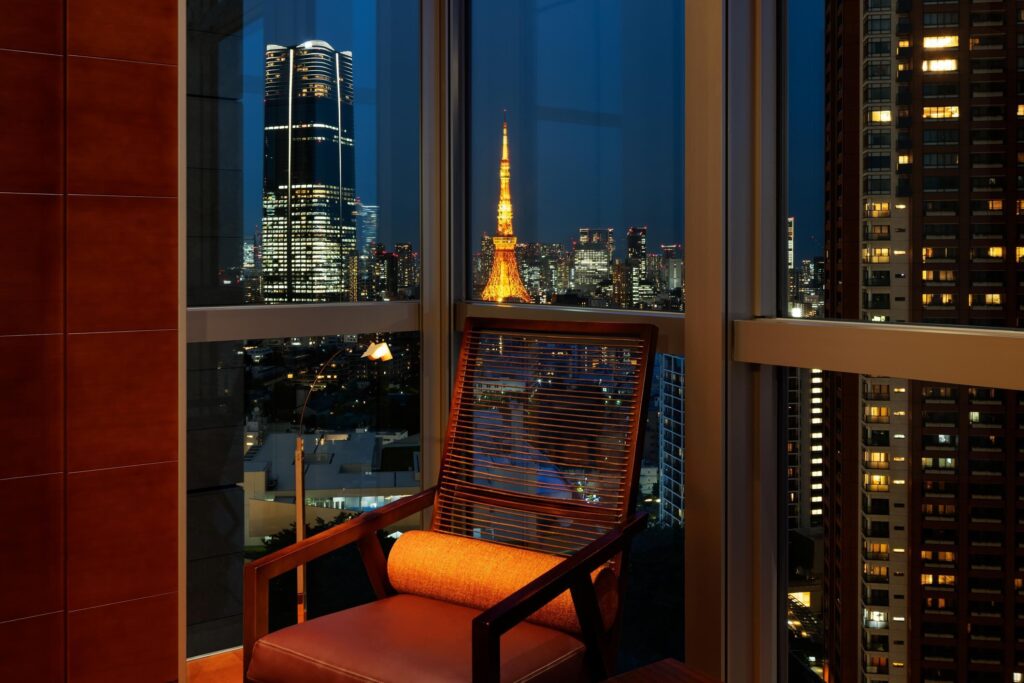
Grand Hyatt Tokyo opened with Roppongi Hills in 2003. Keyakizaka, Mohri Garden, the Mori Art Museum, Tokyo City View and TOHO Cinemas Roppongi Hills are all close to the hotel.
Check in during the afternoon and head to an exhibition. Return at dusk after seeing the city from Tokyo City View, or watch a film before stopping at the bar. These plans fit into the same neighbourhood without a long journey between each stop.
A short walk through Roppongi Hills also brings the Mori Art Museum and Tokyo City View within easy reach. Current exhibitions and opening hours make it possible to place art or a panoramic view before check-in, after lunch or ahead of dinner.
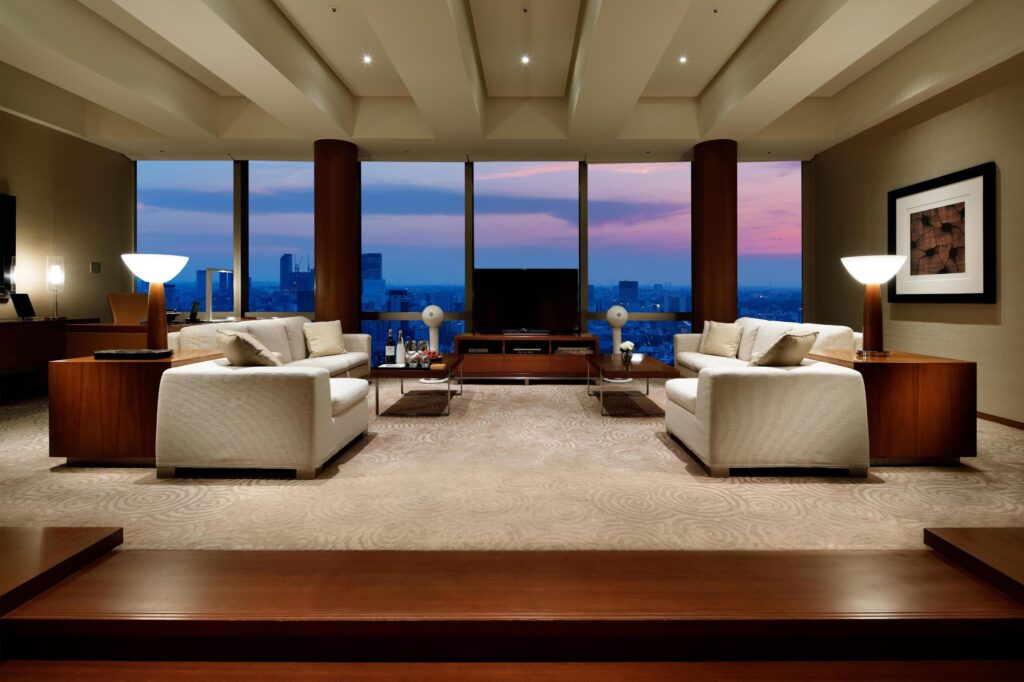
Roppongi Hills brings cultural venues, offices, residences, shops and a hotel into one walkable district. Grand Hyatt Tokyo supplies the place to stay within that plan.
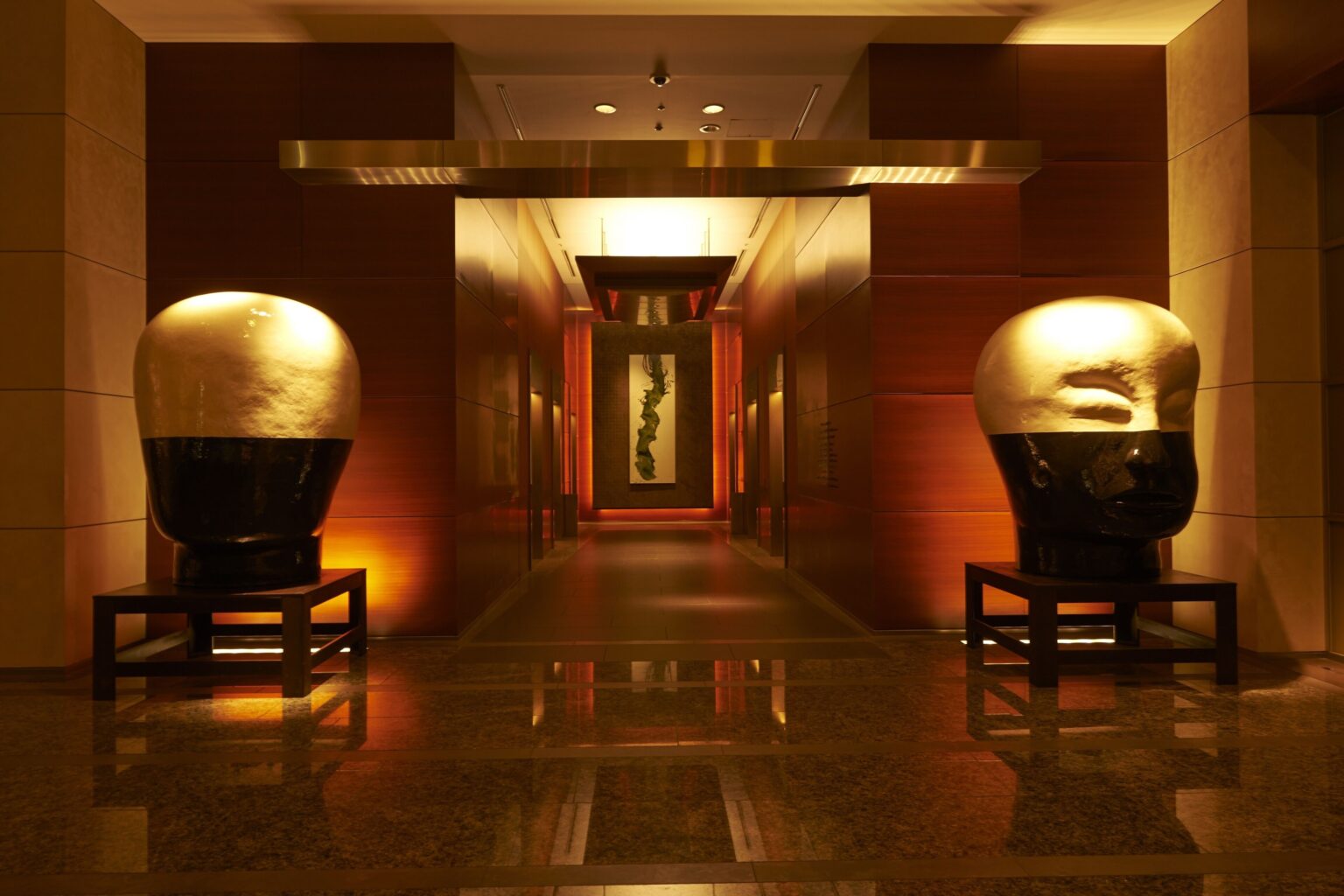
Wood, stone, metal and carefully directed light shape the interiors. The lobby and restaurants welcome local diners as well as hotel guests, so the public spaces gather momentum from late afternoon into the evening. The room is only a lift ride away when dinner is over.
Tony Chi’s Four Seasons, Served Across the Hotel
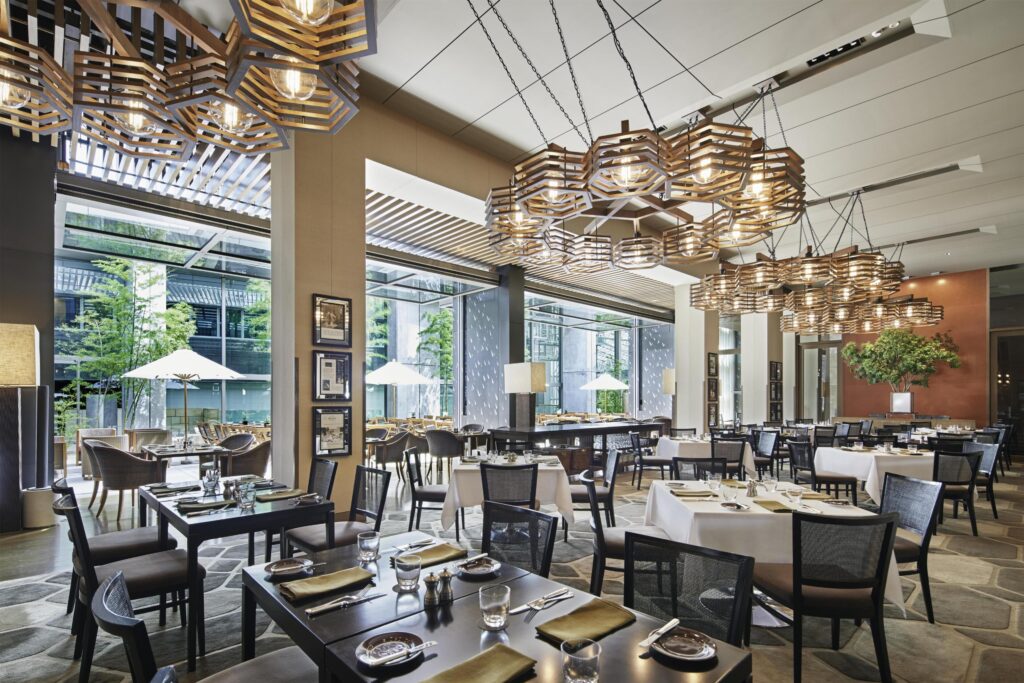
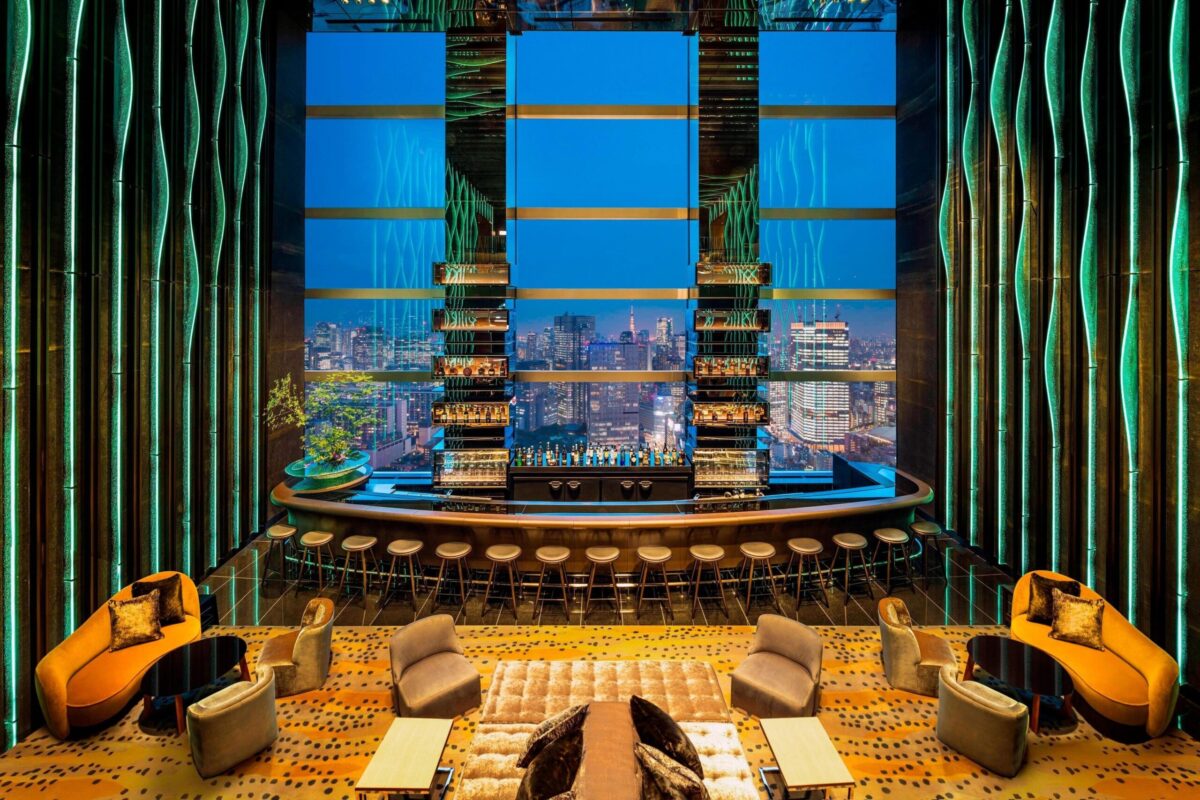
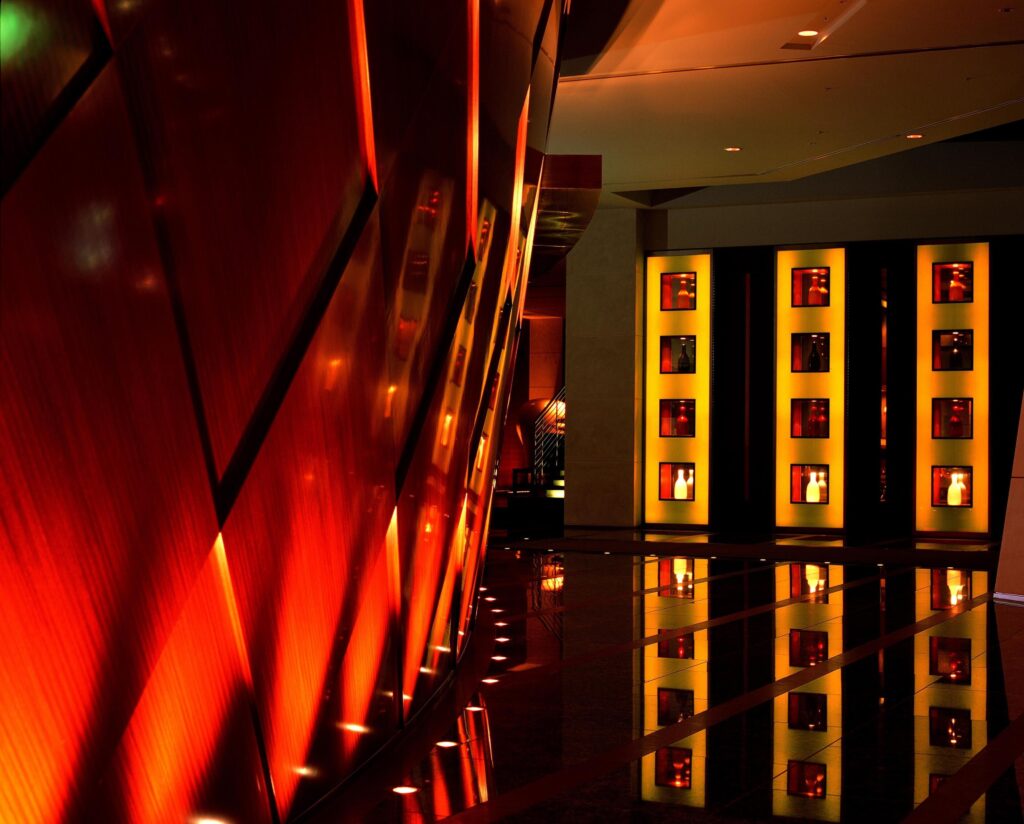
Tony Chi, who designed the hotel’s hospitality spaces, drew on the four seasons for its restaurants and bars. Fire, botanical motifs, colour, lighting and sound give each venue a different setting, from breakfast and lunch to dinner and a late-night bar.
The Oak Door is the hotel’s steakhouse, built around an open kitchen with booths, a terrace and an adjoining bar. Tomahawk steak and the signature burger can be paired with New World wines, while the cooking and movement in the room give dinner a lively pace.
For Japanese cooking, Roku Roku and Keyakizaka offer two distinct counters. Roku Roku serves Edomae sushi and sashimi made with seafood selected from markets around Japan, accompanied by a list of Japanese sake. Keyakizaka prepares meat, seafood, poultry and seasonal vegetables on the teppan, making the cooking itself part of the evening.
The bar Maduro offers another side of the hotel, with live music, drinks and cigars in a darker setting. Entry is limited to guests aged 20 and over, and a cover charge applies depending on the seat. Smoking is permitted, but the combination of cigars, drinks and live performance creates an atmosphere unlike the hotel’s other restaurants.
The Oak Door Bar also limits entry to guests aged 20 and over after 10 p.m. Families can keep the evening flowing by checking age rules when choosing where to go after dinner.
The French Kitchen serves breakfast as well as French bistro dishes, while Fiorentina and its pastry boutique cover lighter meals, cakes, baked sweets and chocolates. There is no need to visit every venue. Choosing one restaurant for dinner and another for breakfast can make dining a more rewarding part of the hotel stay.
From Roppongi’s Energy to a 42-Square-Metre Room
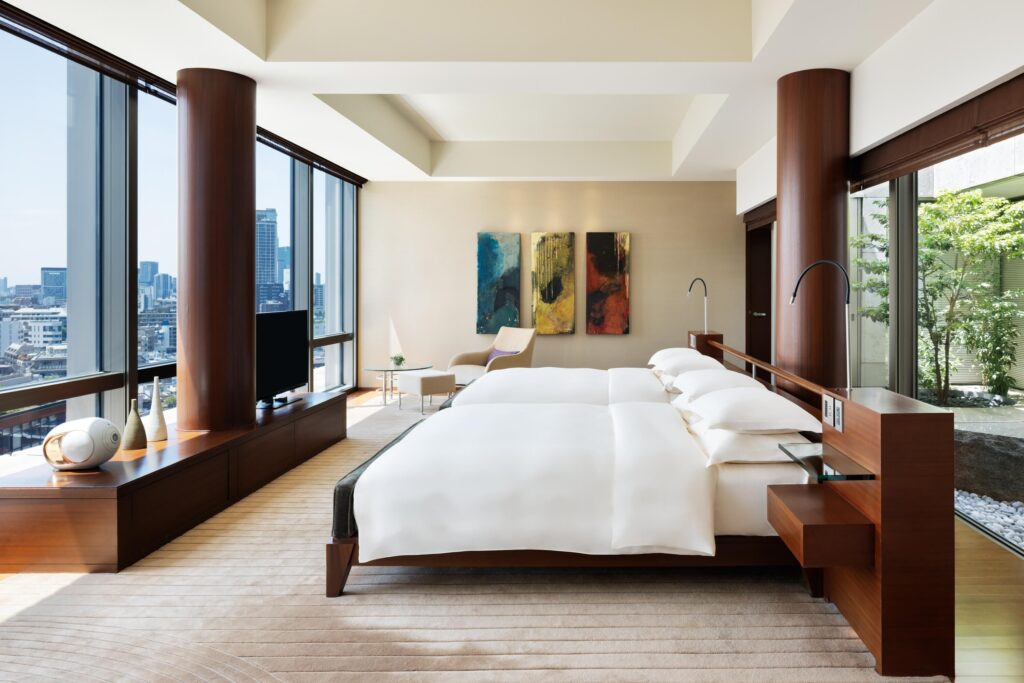
After dinner, the colour and activity of the restaurants give way to mahogany, natural materials and pale earth tones in the guest rooms.
Grand Hyatt Tokyo has 387 rooms, with standard king and twin categories starting at 42 square metres. The space leaves room around the bed, window, desk and bathroom, making it easier to live with larger luggage or spend part of the day in the room.
Egyptian cotton linens cover the beds, and an Arne Jacobsen Oxford Chair stands at the desk. Rather than relying on heavy decoration, the room uses the grain and colour of the wood to set a calmer mood.
The limestone bathroom includes a deep soaking tub and a rain shower. In standard rooms, the tub is designed to fill in about five minutes, a useful detail after a late dinner, a film or an evening around Roppongi Hills.
Beyond the standard rooms, Deluxe rooms offer 55 square metres and Premium King rooms with club access offer 60 square metres, followed by a range of suites. Views and floor levels differ by category, so guests hoping to see a particular landmark should compare the exact room name and view description shown at booking.
Grand Club and a Red-Granite Pool in the Morning
Rooms and suites with Grand Club access include use of the lounge on the 10th floor. An outdoor terrace and Japanese garden accompany breakfast, refreshments, evening cocktails and canapés. Dedicated check-in and checkout, concierge assistance and a meeting room are also included.
A stay can therefore move from dinner in one of the restaurants to breakfast on the lounge terrace, with a quieter place to pause before returning to the city.
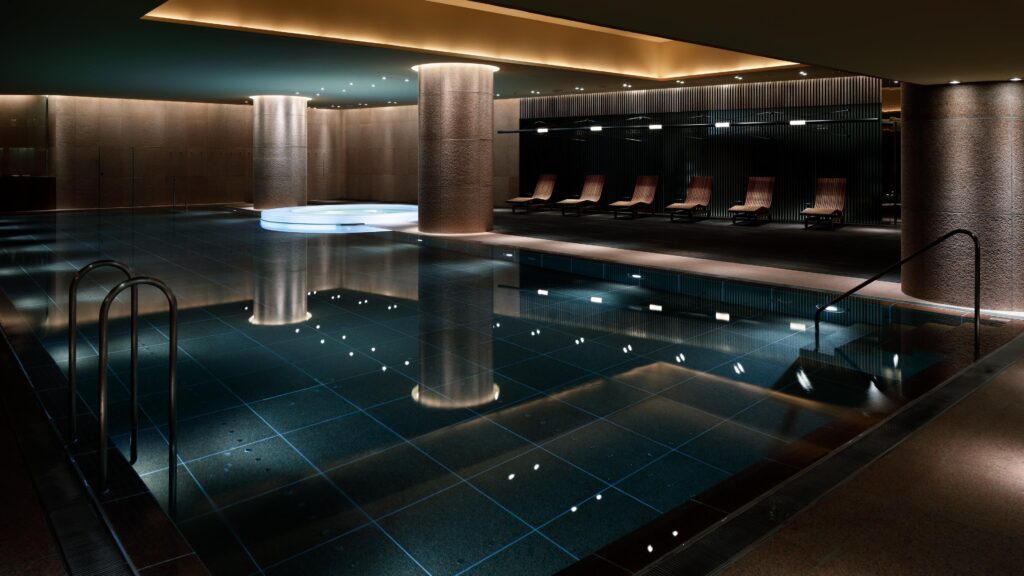
Grand Club rooms and suites also include access to every area of Nagomi Spa and Fitness on the fifth floor. Its centrepiece is a 20-by-7-metre indoor pool made with natural red granite and bordered by a hardwood deck.
All resident guests can use the pool and fitness centre without charge, and the gym is open 24 hours for hotel guests. Access to the locker rooms, sauna, hot and cold plunge pools and relaxation areas normally costs ¥4,400 for guests in standard rooms. These areas are included with Grand Club rooms and suites.
Children aged four to 15 can use the pool from 9 a.m. to 7 p.m. with an accompanying adult. Treatments, the fitness centre and locker areas are available from age 16.
A standard room works well when the pool is the main priority. Club access becomes more compelling when lounge breakfast, evening drinks, the sauna and bathing areas are all part of the plan.
Art, Dinner and a Guest Room in One Neighbourhood
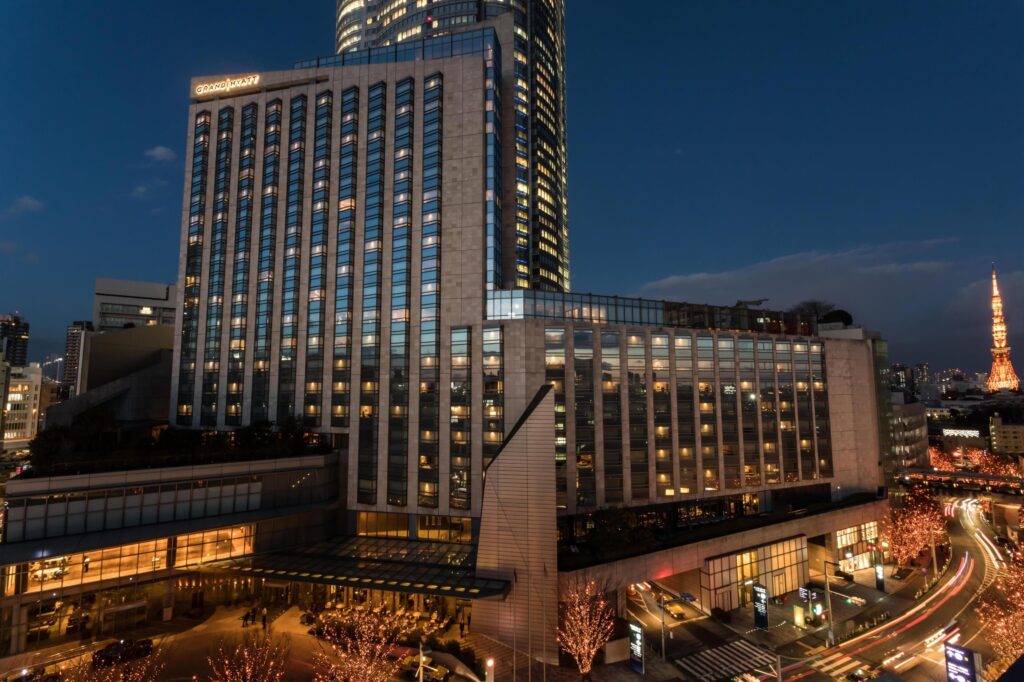
The hotel is about a three-minute walk from Exit 1C of Roppongi Station on the Tokyo Metro Hibiya Line and about six minutes from Exit 3 on the Toei Oedo Line. Ginza, Ebisu, Azabu-juban, Shiodome and Shinjuku can all be reached without beginning the day with a taxi.
Roppongi Hills is arranged across several levels, so following signs for the hotel helps on a first arrival.
The airport limousine bus between Haneda Airport and the hotel is currently suspended. Rail connections, the Tokyo Monorail followed by a taxi, or the hotel’s paid chauffeur service are the main alternatives. Travellers using a limousine bus from Narita should check the operating schedule for their date. Overnight parking costs ¥6,000.
An evening can run from the final hour of an exhibition to dinner at the hotel, followed by a short lift ride to the room. The next morning can begin in the pool or Grand Club before the walk to Roppongi Station. Grand Hyatt Tokyo brings art, restaurants and a spacious guest room into one compact itinerary.
When comparing rooms, check the size, bed configuration, view and Grand Club access. If the sauna and bathing areas at Nagomi are part of the stay, the access fee for a standard room is worth comparing with the price of a club room. Matching the room to the way you want to use the hotel can make dining, art and the pool part of a more comfortable Roppongi stay.
More Tokyo Luxury Hotels
Planning a wider journey? Browse the Luxury Hotel Guides in Japan.