This article contains affiliate links.
If you are researching The Okura Tokyo, you have probably already noticed something confusing: there are two wings, and the difference between them is not immediately obvious.
This guide exists to answer one specific question — Heritage Wing or Prestige Tower? — and to give you enough detail to book with confidence.
I have spent considerable time researching both wings through hundreds of guest accounts, official materials, and booking data. Here is what I found.
Quick Answer: Which Wing Is Right for You?
Choose the Heritage Wing if: You want the most traditional, refined, and quietly luxurious experience Tokyo can offer. Fewer rooms. More privacy. A deeper sense of Japanese aesthetic.
Choose the Prestige Tower if: You want sweeping city views, a more contemporary feel, and slightly more accessible pricing while still staying at one of Tokyo’s most prestigious addresses.
Both wings share the same legendary service, dining, and facilities. The difference is atmosphere and design philosophy — and that difference is significant.
Overview: The Okura Tokyo
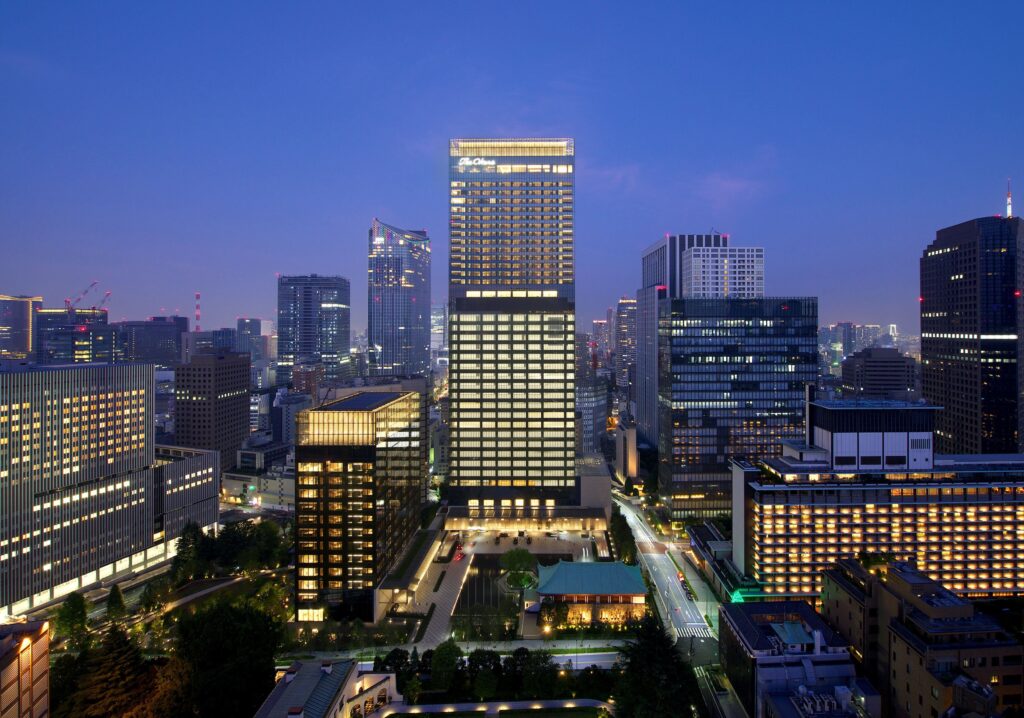
| Heritage Wing | Prestige Tower | |
|---|---|---|
| Rooms | 140 rooms and suites | 508 rooms total |
| Style | Traditional Japanese | Contemporary luxury |
| Price from | ~$900–$1,500/night | ~$800/night |
| Best for | Couples, special occasions | Business travelers, city views |
| Opened | 2019 (rebuilt) | 2019 (rebuilt) |
Location: Toranomon, central Tokyo. Close to Ginza, Roppongi, and the Imperial Palace. The area is quieter than Shinjuku or Shibuya, which suits the hotel’s overall character well.
Check availability at The Okura Tokyo →
The Heritage Wing: Where Okura’s Soul Lives
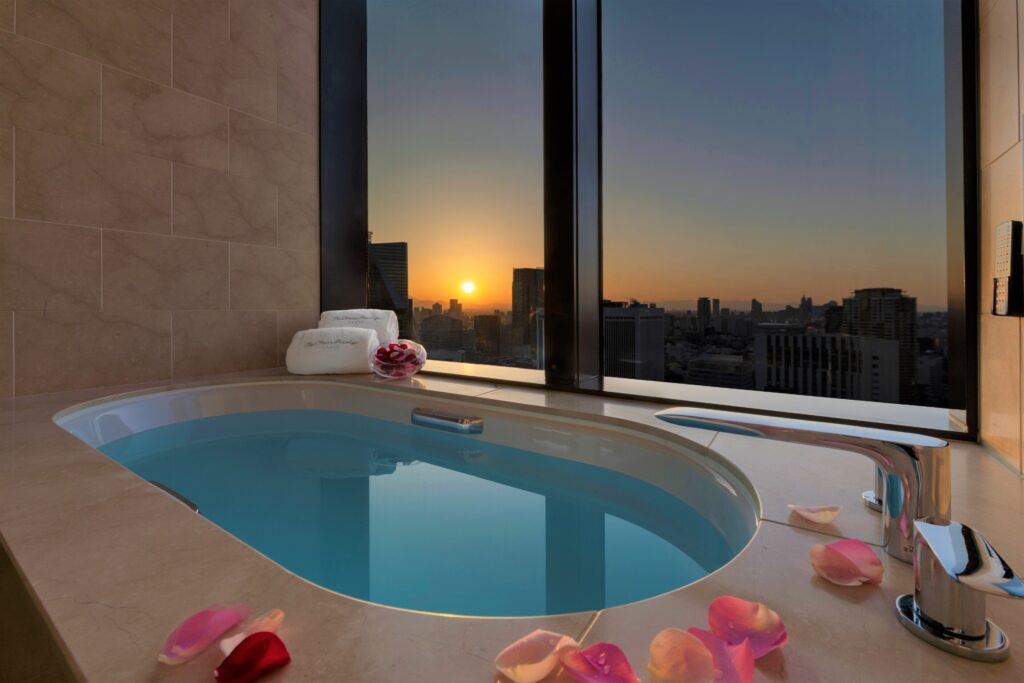
The Heritage Wing is the reason The Okura Tokyo is considered a landmark rather than simply a luxury hotel.
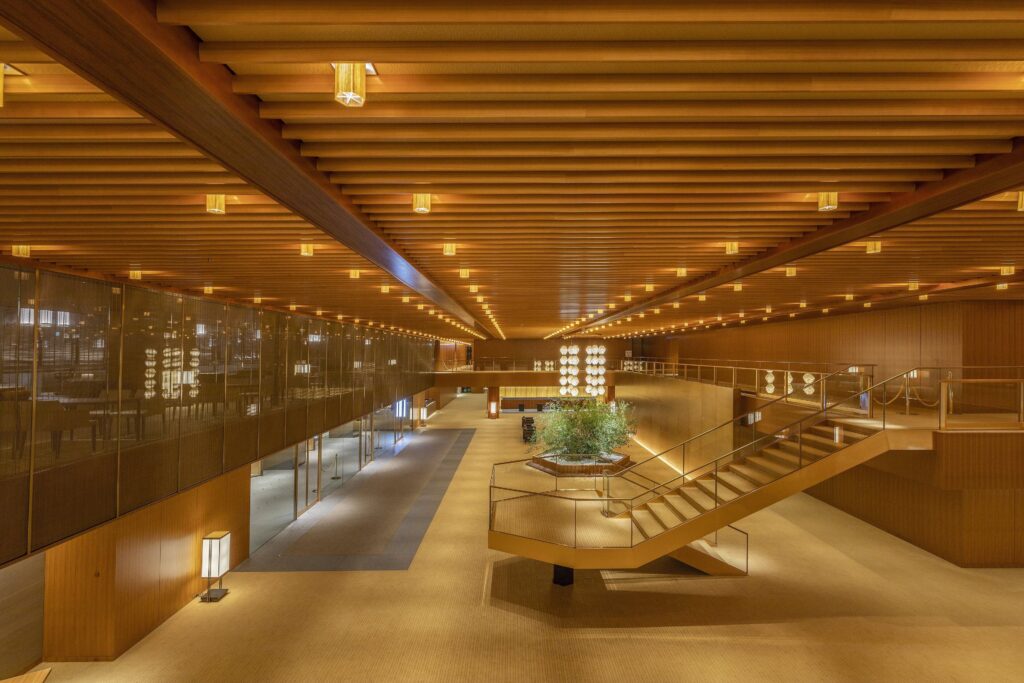
When the original Okura was demolished in 2015, it sparked an international debate about architectural preservation. Design enthusiasts, architects, and loyal guests mourned the loss of its iconic 1962 lobby — a room that had defined Japanese modernism for half a century. The rebuilt Heritage Wing was the answer to that grief.
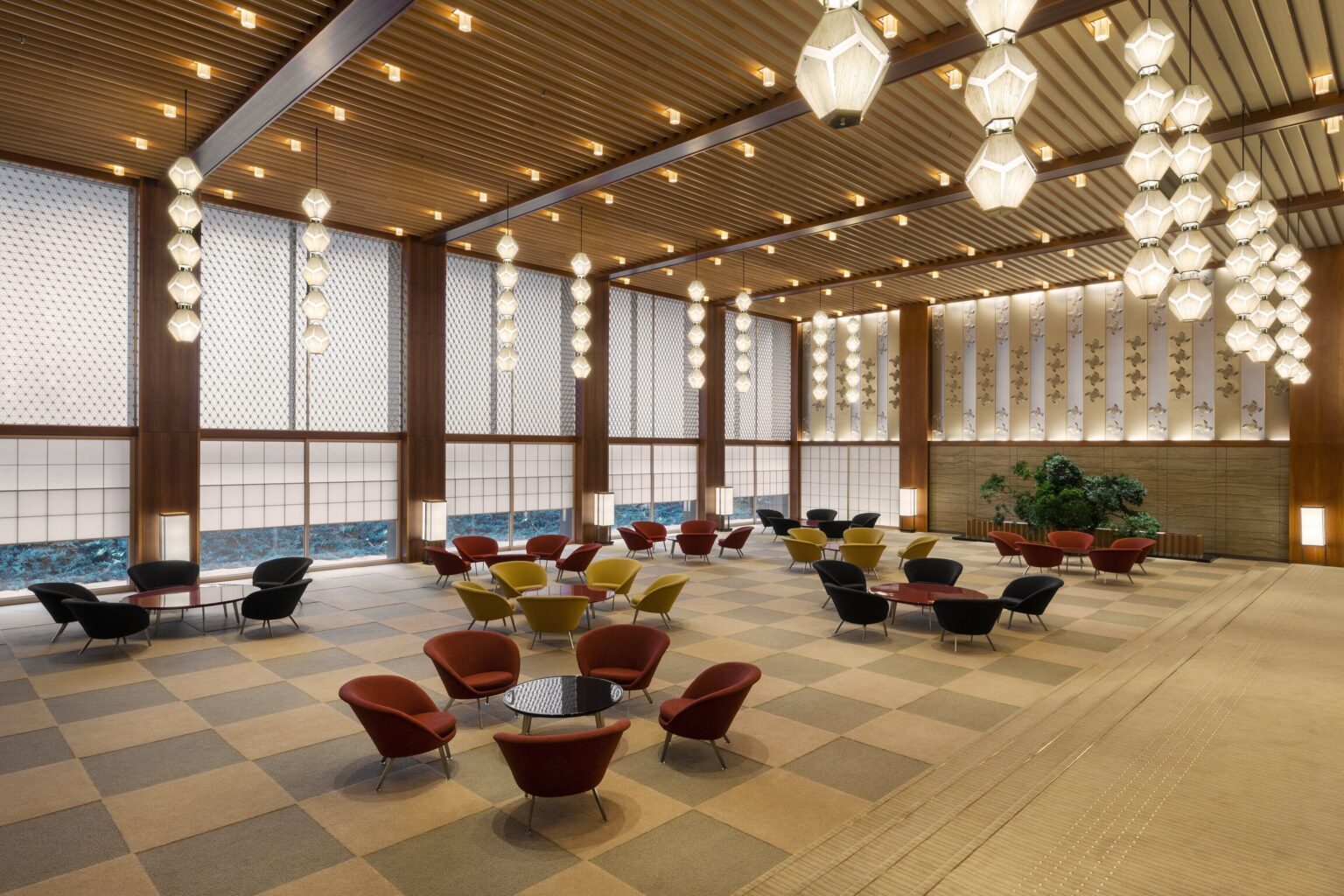
Walking through it today, the influence of the original is unmistakable. The lantern-shaped pendant lights. The geometric patterns in the screens and carpets. The careful balance of open space and intimate enclosure. It does not feel like a recreation. It feels like a continuation.
What makes the Heritage Wing different:
Rooms are larger than the Tokyo average, even for luxury properties. The layouts prioritize a sense of openness that is genuinely rare in a city where space is always at a premium.
Materials throughout are natural — wood, stone, fabric — used with restraint. There is no visual noise. Lighting is soft and indirect. The overall effect is a room that feels easier to breathe in.
Bathrooms are equally considered, with deep soaking tubs and high-quality fixtures that align with the room’s overall calm.
The Heritage Wing has only 140 rooms. At a hotel of this reputation, that number creates a level of quietness that is difficult to find elsewhere in central Tokyo.
One thing to know: The Heritage Wing does not have floor-to-ceiling city views in the way the Prestige Tower does. The experience here is inward — focused on the room, the materials, the atmosphere — rather than outward toward the skyline.
Check availability at Heritage Wing →
The Prestige Tower: Tokyo From Above
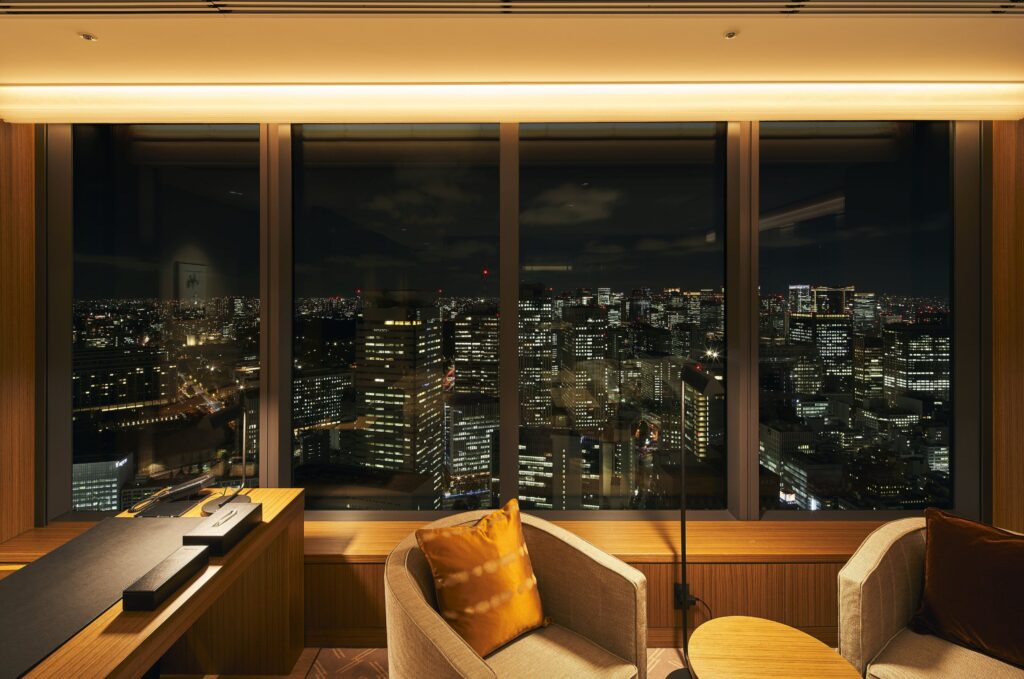
The Prestige Tower is the taller, more contemporary of the two buildings. Its 508 rooms make it the larger option, and its higher floors offer some of the more dramatic city views available from a Tokyo hotel.
The design takes clear inspiration from the original Okura — warm wood tones, subtle Japanese motifs, thoughtful lighting — but channels it through a more modern lens. The result is a room that feels polished and comfortable rather than quietly historical.
What the Prestige Tower does well:
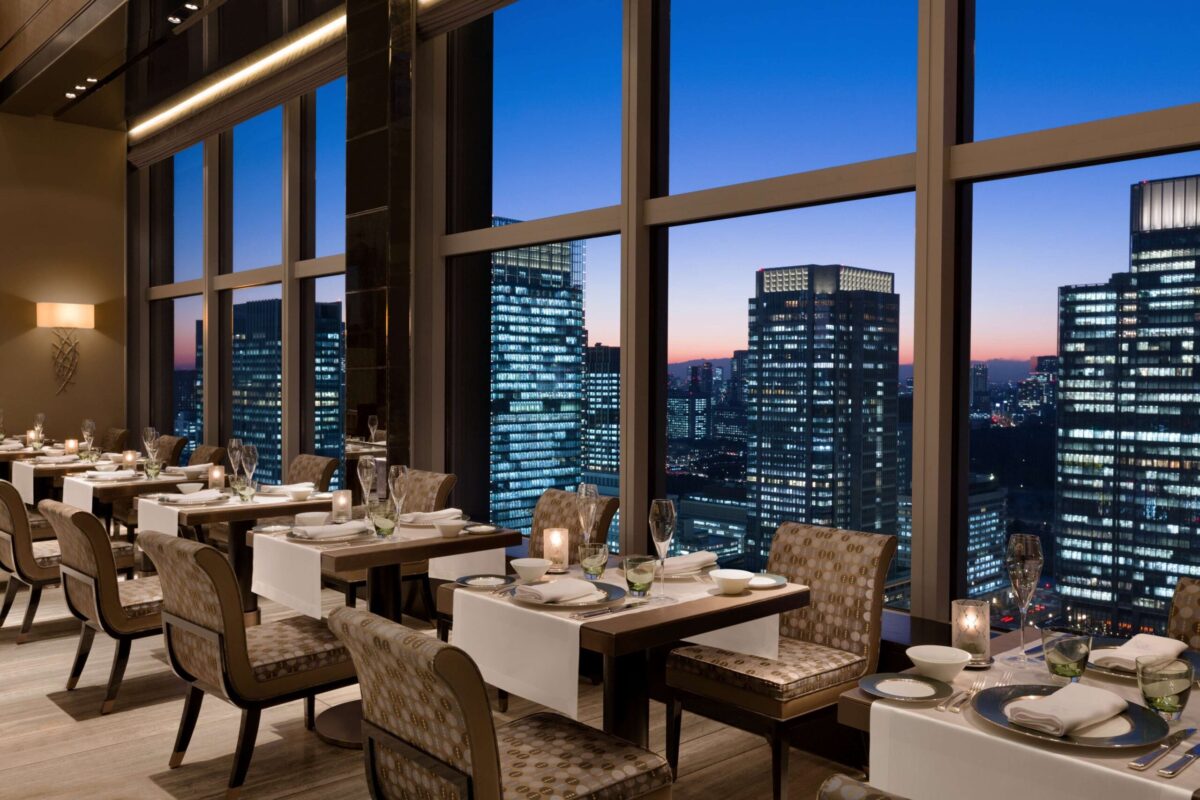
The city views, particularly on higher floors, are genuinely impressive. Tokyo at night from this location — with Roppongi, the Imperial Palace area, and the wider skyline visible — is a strong reason to choose this wing.
The larger room count also means availability is generally better, and rates tend to be somewhat lower than the Heritage Wing, making it a more practical entry point into the Okura experience.
Service standards are the same across both wings. Okura’s hospitality philosophy does not change based on which building you are in.
One thing to know: The Prestige Tower, while beautifully executed, does not carry the same historical weight as the Heritage Wing. If the reason you want to stay at The Okura Tokyo is specifically its cultural and design legacy, the Heritage Wing is the more honest choice.
Check availability at The Okura Tokyo →
Dining at The Okura Tokyo
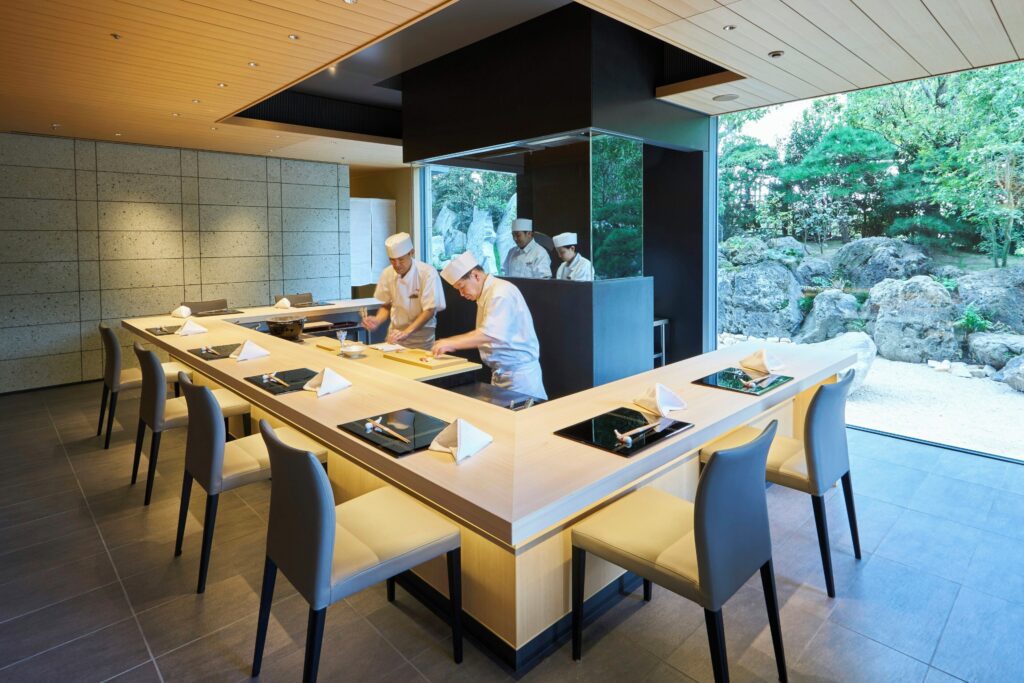
Dining is one of the strongest aspects of a stay here, and it is shared across both wings.
The hotel’s Japanese restaurant, Yamazato, is the centerpiece — a long-standing Michelin-recognized venue serving kaiseki-style cuisine with the same precision and seasonal sensitivity that defines the hotel’s overall character.
Sazanka, the teppanyaki restaurant, offers a more theatrical dining experience while maintaining the same quality of ingredients.
For a lighter option, the main lounge serves afternoon tea and cocktails in a setting that captures the hotel’s aesthetic well — an excellent choice if you want to experience the atmosphere without committing to a full dinner.
Dining reservations, particularly for Yamazato, should be made well in advance. This is not a restaurant where you can typically walk in.
Spa and Facilities
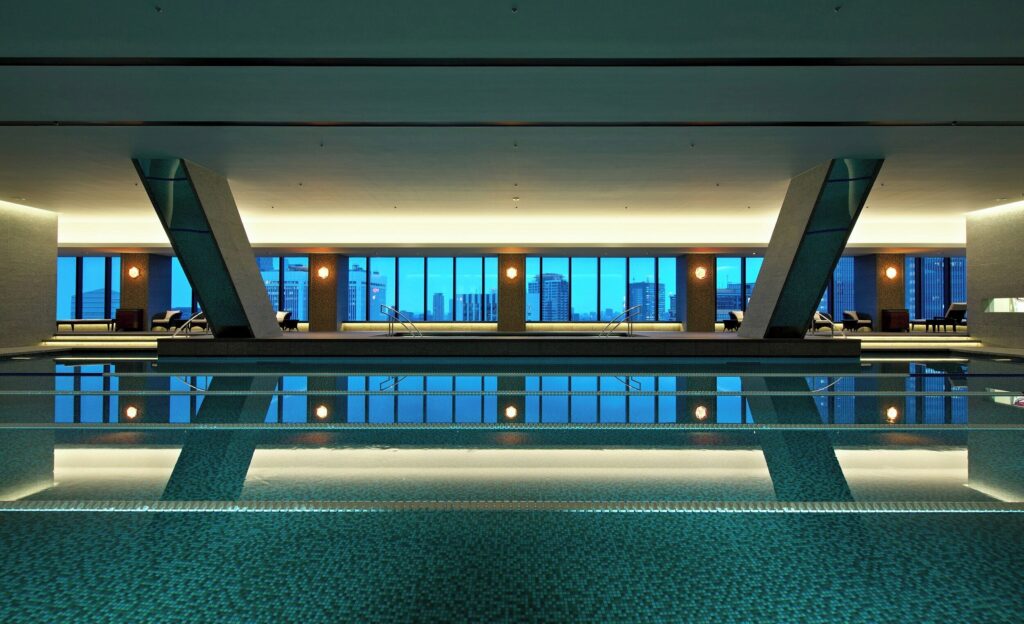
Both wings share access to The Okura Spa, which includes:
- Indoor swimming pool
- Spa treatment rooms
- Fitness center
- Traditional Japanese bath facilities
The spa reflects the same philosophy as the rest of the hotel — calm, unhurried, focused on balance rather than spectacle. It is not the most dramatic spa in Tokyo, but it is one of the most consistently well-executed.
The Okura Tokyo vs Aman Tokyo
These two hotels are often compared, and the comparison is worth addressing directly.
Aman Tokyo is architectural and vertical — a hotel that impresses through scale, ceiling height, and the drama of its mountain-inspired lobby. It is modern luxury at its most sculptural.
The Okura Tokyo is cultural and horizontal — a hotel that impresses through detail, restraint, and the weight of its history. It requires more time to appreciate.
Neither is objectively better. The question is what kind of experience you are looking for. Travelers who want to feel the presence of Japanese design history will find The Okura more resonant. Travelers who want maximum visual impact will find Aman more immediately satisfying.
Who Should Stay at The Okura Tokyo
The Okura Tokyo is ideal for:
- Couples celebrating a special occasion, particularly in the Heritage Wing
- Travelers with a genuine interest in Japanese design and cultural history
- Guests who prefer quiet, refined environments over high-energy luxury
- Anyone who wants one of Tokyo’s most distinguished addresses without sacrificing comfort
It may not be the right choice for:
- Travelers whose priority is nightlife or immediate access to busy districts
- Guests looking for a more design-forward, contemporary aesthetic (consider Aman Tokyo or Janu Tokyo)
- Anyone who finds understated luxury less satisfying than more expressive luxury
Practical Information
Address: 2-10-4 Toranomon, Minato City, Tokyo
Getting there: Toranomon Hills Station (Hibiya Line) is the closest, approximately 5 minutes on foot. Kamiyacho Station (Hibiya Line) is also within walking distance.
Best time to visit: The hotel is excellent year-round, but spring (late March to early May) and autumn (October to November) offer the most pleasant conditions for exploring the surrounding areas.
Booking tips:
- Book Heritage Wing rooms as early as possible — availability is limited
- Request a higher floor in the Prestige Tower if views are a priority
- Reserve Yamazato at the time of booking, not after arrival
- A minimum two-night stay is recommended to fully appreciate the atmosphere
Final Thoughts
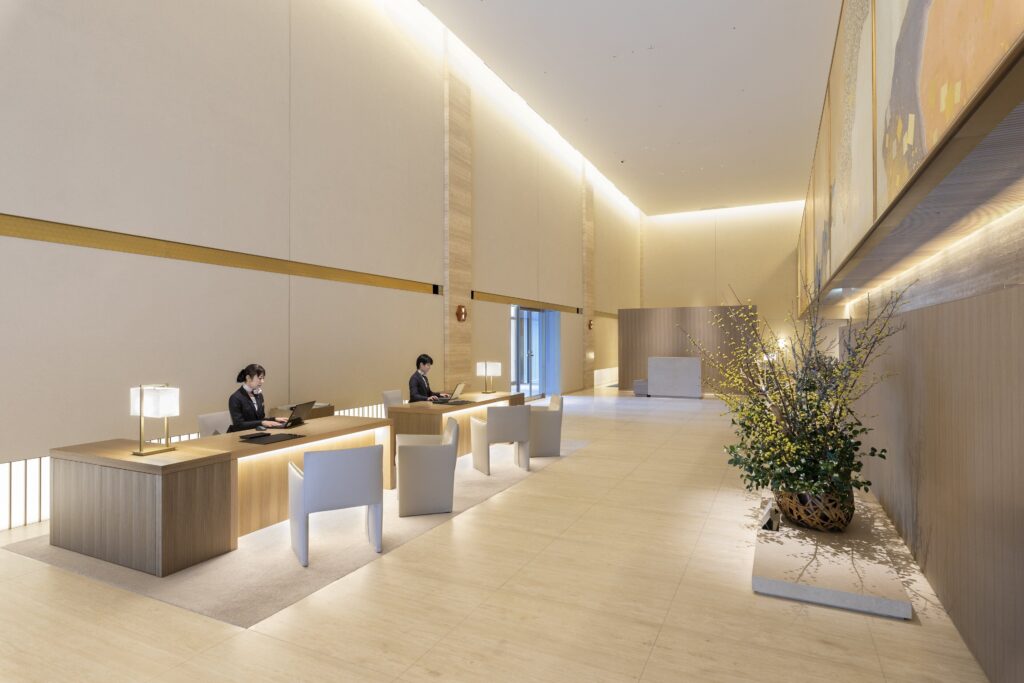
The Okura Tokyo is not a hotel that announces itself loudly. It earns its reputation slowly, through materials and proportion and service that accumulates into something genuinely memorable.
The Heritage Wing is the more singular experience — quieter, more historical, more specifically Japanese in its design philosophy. The Prestige Tower is the more accessible entry point, with strong views and the same service at a somewhat lower price.
Either way, you are staying at one of the most important luxury hotels in Japan. That much is not in question.
Check availability at The Okura Tokyo →
Check availability at Heritage Wing →
Planning a wider luxury journey through Japan? Explore all of our curated hotel guides here → Luxury Hotel Guides in Japan