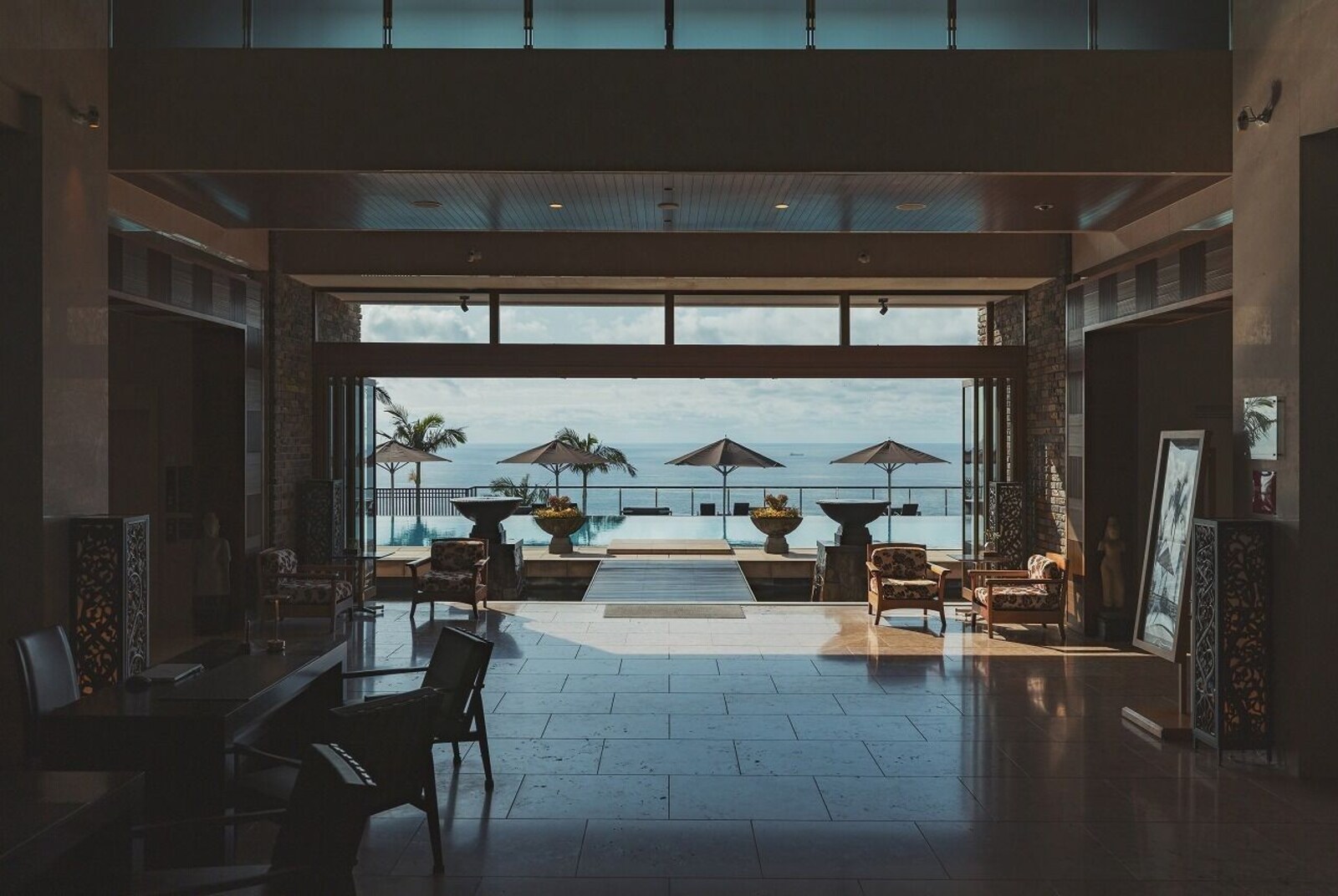
On Yakushima, luxury is measured less by spectacle than by the quality of one’s attention: the sound of rain moving through broad leaves, the dark shine of volcanic stone, the sudden opening of the Pacific beyond the trees. Sankara hotel & spa Yakushima understands this beautifully. Set on the island’s southern side, it is an intimate resort where forest villas, ocean-facing suites, French cooking and unhurried service are composed into a stay that feels both deeply local and quietly international.
The appeal of Sankara lies in how completely the hotel shapes a stay on Yakushima. The Manasa Villas settle among the greenery, while the main-building suites turn toward the sea; renewed room categories add features such as a hot-spring reclining bath or private sauna, and the two restaurants give the evening its own sense of occasion. Room, meals and pace are considered as one experience, which is why the hotel deserves more than a passing introduction.
Booking Snapshot
- Best for
- Couples, solo travellers and food-minded guests who want the hotel to share time with Yakushima’s forests
- Age policy
- The current hotel policy is for guests aged 13 and above
- Room families
- Manasa Villa, Junior Suite, Sankara Suite and the renewed two-bedroom Villa Suite
- Dining
- Ayana offers relaxed prix-fixe dining; Okas is the formal full-course experience associated with suite stays
- Access
- Complimentary pickup from Yakushima Airport or Anbo Port requires advance reservation
- Recommended stay
- Two nights as a practical minimum; three when a full forest day is part of the journey
Check Sankara Yakushima rooms and current rates on Expedia →(Paid link)
In This Guide
At a glance: who should book Sankara?
Sankara is especially persuasive for couples, solo travellers and food-minded guests who want Yakushima’s nature without giving up a highly considered room, polished service or a serious evening meal. It also suits travellers who understand that the hotel itself is part of the destination. One can walk in the forest in the morning, return for a bath or treatment, dress for dinner and feel that the day has moved through several distinct moods without becoming hurried.
It is a less obvious match for a family with young children, because the hotel’s current policy is for guests aged 13 and above. Nor is it the most efficient base for travellers determined to cross the island from dawn to dusk every day. Yakushima is larger and slower to navigate than its map can suggest, and Sankara rewards leaving space in the itinerary. Those seeking a traditional ryokan should also adjust expectations: this is an auberge-style resort with villas, suites and French dining, not an inn organised around tatami rooms and communal hot springs.
Why the hotel feels different from a conventional island resort
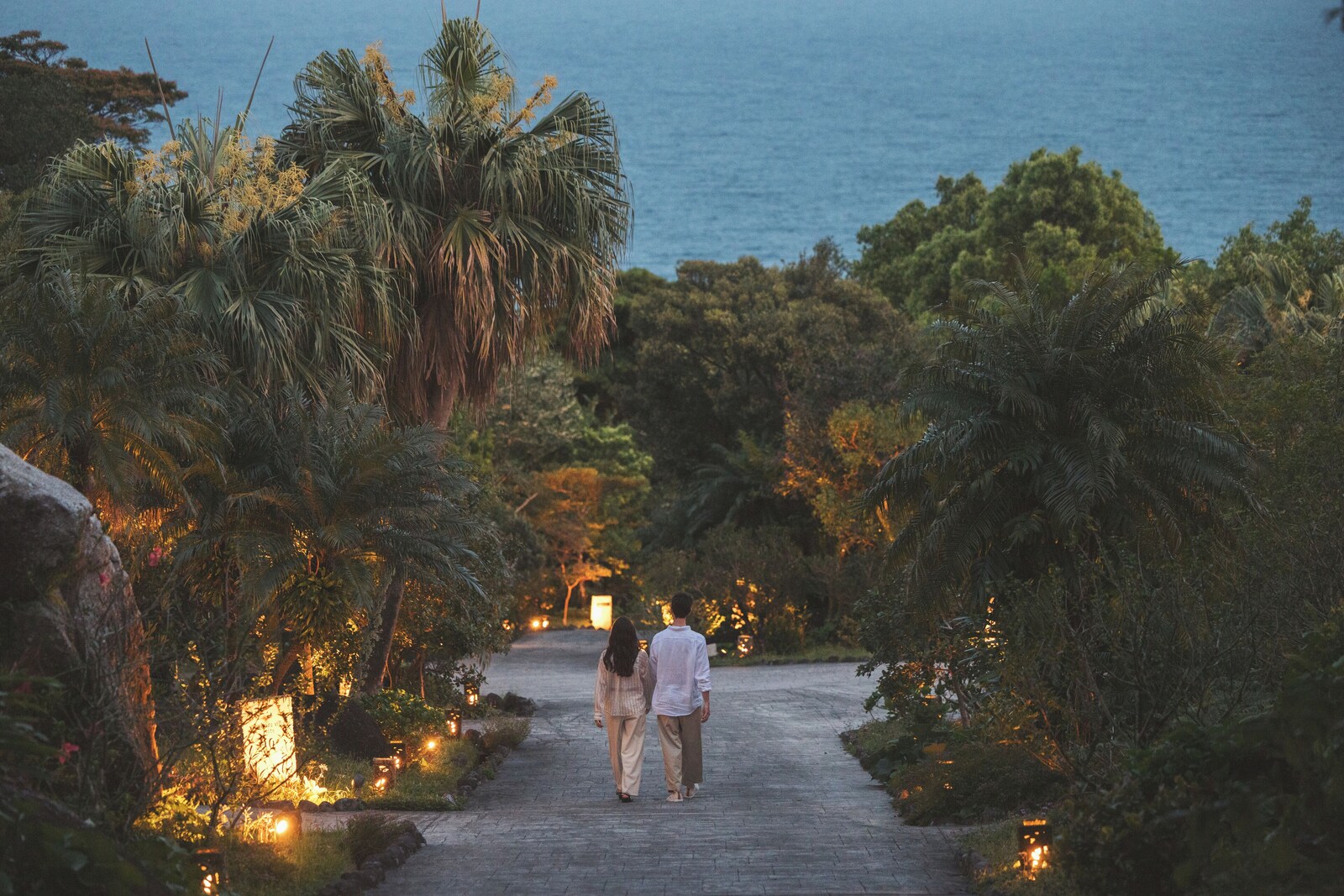
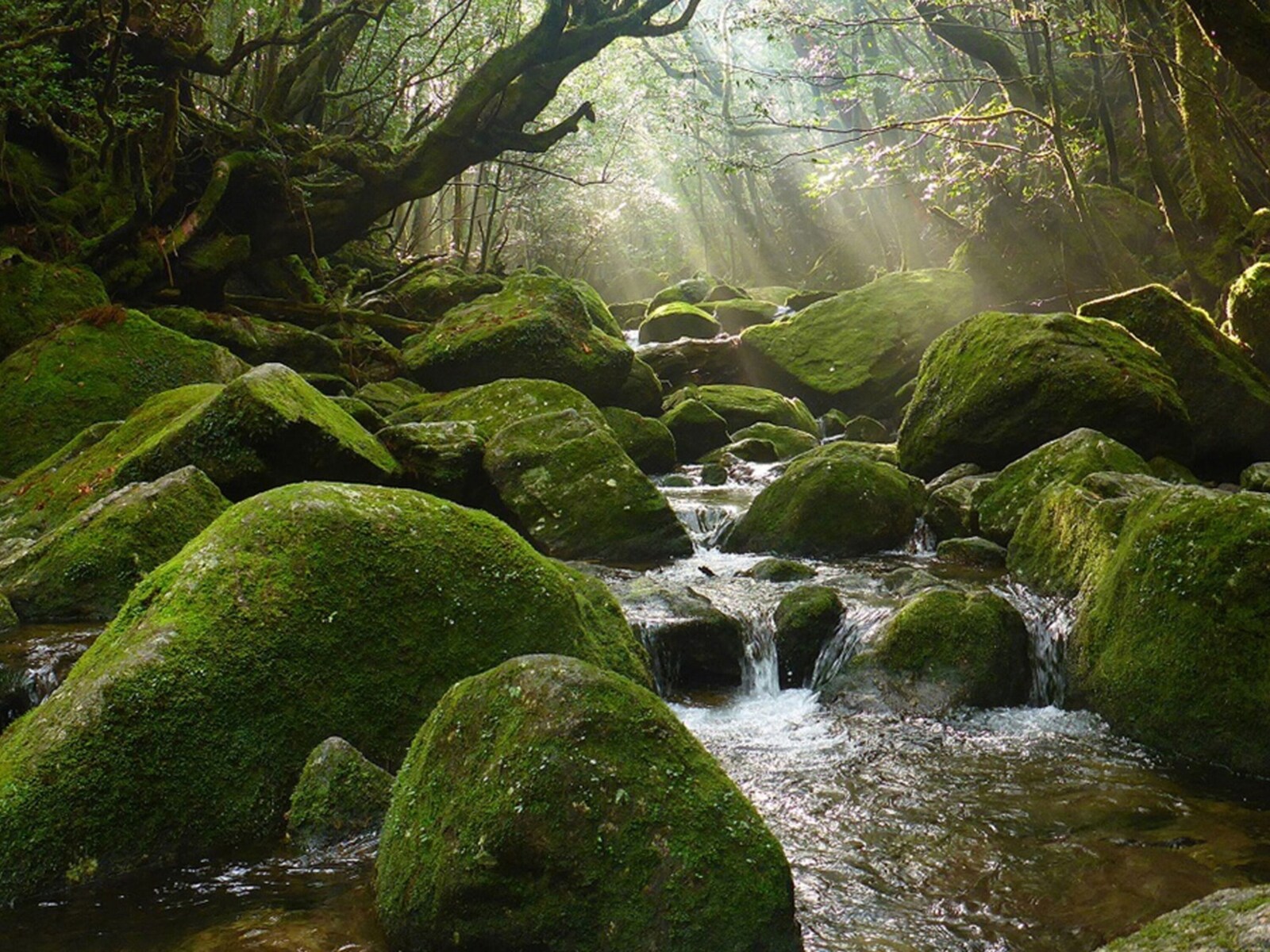
Yakushima is known for ancient cedar forests and abundant rain, but Sankara does not attempt to compete with the island through grand decoration. Its most successful spaces act as frames. The main building opens toward water, sky and changing weather; the villas sit low among foliage; terraces and covered walkways make even rain feel atmospheric rather than inconvenient. The result is a resort that does not imitate the forest, but gives guests a more composed way to notice it.
There is also an appealing sense of scale. Sankara is intimate enough for service to feel personal, and its butler-style approach is useful on an island where transport, trail conditions and weather can alter plans. This is not merely ceremonial hospitality. Good advice about when to leave, what to reserve and how much to attempt in one day can materially improve a Yakushima stay.
Manasa Villa: privacy within the forest garden
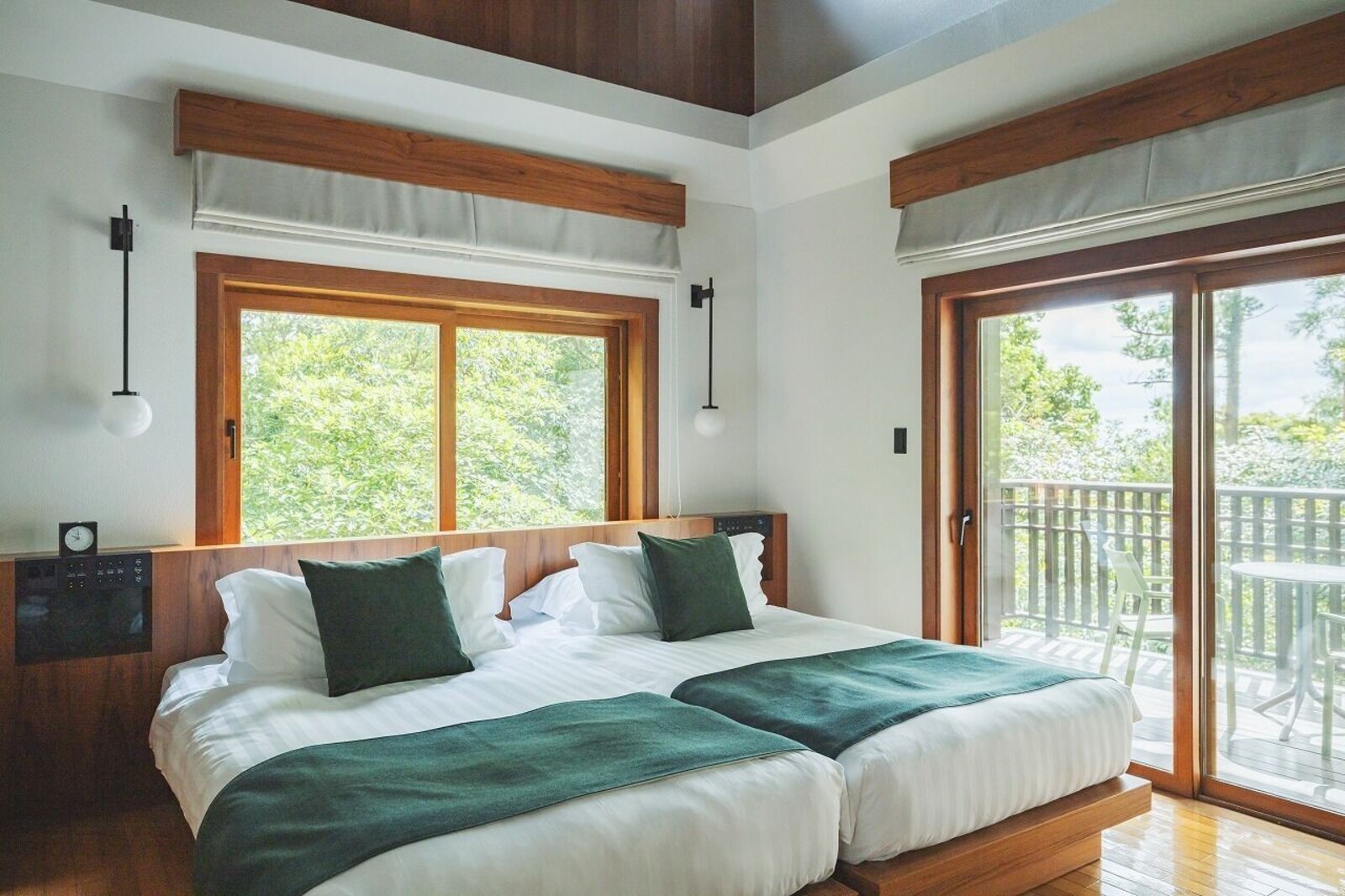
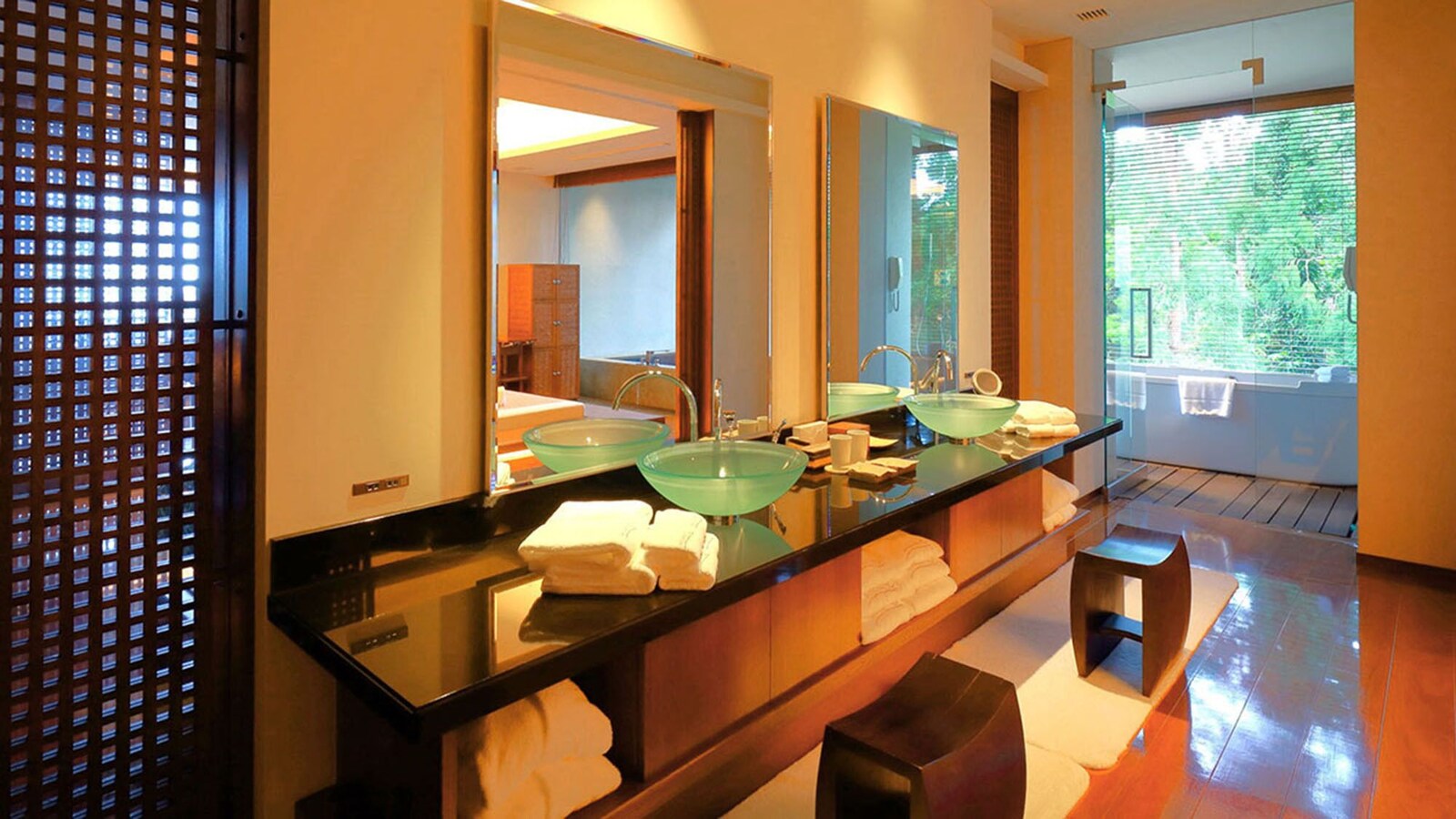
The 53-square-metre Manasa Villa is set in the garden rather than in the main building, and its appeal lies in privacy, space and a close relationship with the greenery. A villa gives the stay a pleasing rhythm: one leaves the public spaces behind, follows the garden path and returns to a room that feels removed from the business of the hotel.
The question of first or second floor is more meaningful than it may appear. A ground-floor room tends to feel closer to the garden, while an upper-floor room can feel lighter and more open. Neither should be promised as a dramatic ocean-view category. Book the villa for the forest atmosphere and detached-room feeling, not in the hope that a particular angle will transform it into a suite experience.
The Manasa Villa also makes sense for travellers who expect to spend a substantial day hiking. After hours outdoors, the practical luxury of a large room, an anytime bath and a stocked minibar comes gently into focus. This is the category for a stay shaped by the forest, the deck and the quiet movement between a detached villa and the main building.
Junior Suite: ocean views and a renewed sense of retreat
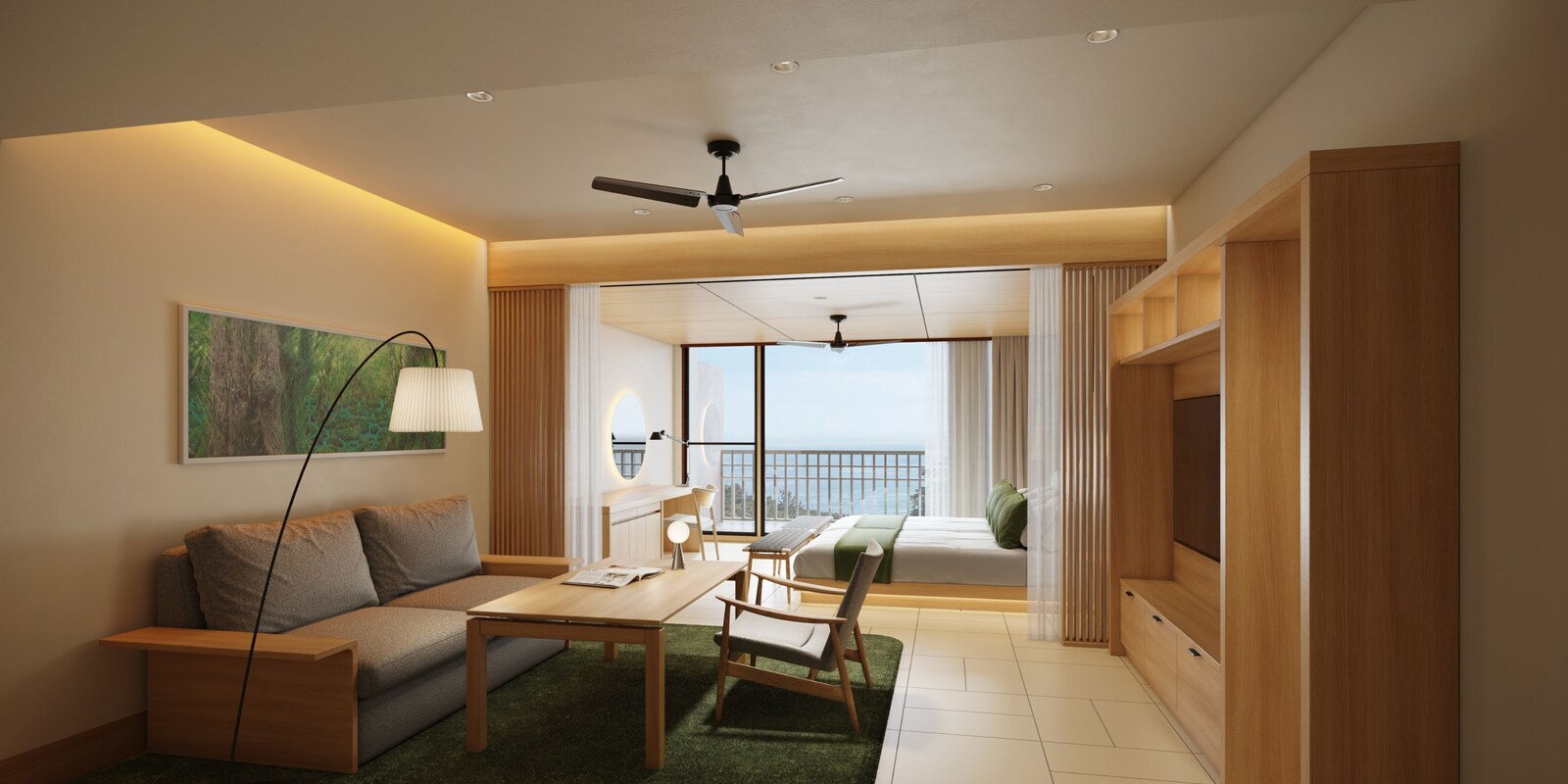
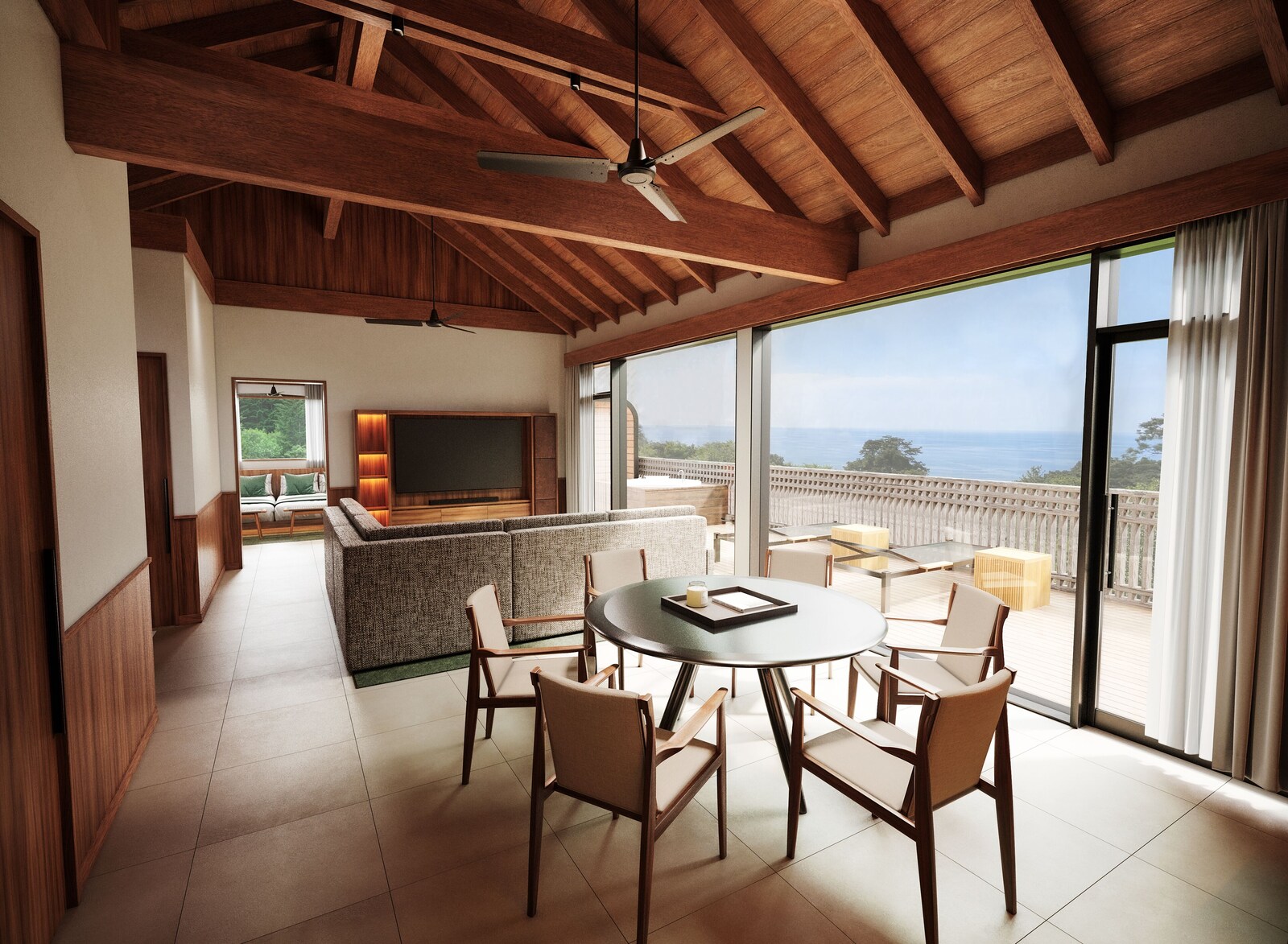
The 71-square-metre Junior Suite sits in the main building, where the sea becomes part of the room’s atmosphere. The category was comprehensively renewed in 2026, and its character is defined by more than floor area. The sea outlook, a hot-spring reclining bath, the suite dining arrangement and, depending on the exact rate and package displayed, a spa treatment benefit gather several parts of the stay into one private setting.
This room gives the hotel day as much presence as the forest day. If one guest wants to hike while the other prefers the spa, or if uncertain weather draws the day indoors, the bath and sea view keep the room connected to the destination. It is also naturally suited to an anniversary or another stay in which unhurried time together is central.
Before paying, read the Expedia room and rate details rather than relying only on the category name. Confirm the meal plan, spa inclusion and precise bath description for your dates. Sankara’s room offering has evolved, and careful reading protects both the romance and the budget.
Sankara Suite and Villa Suite: rooms designed for lingering
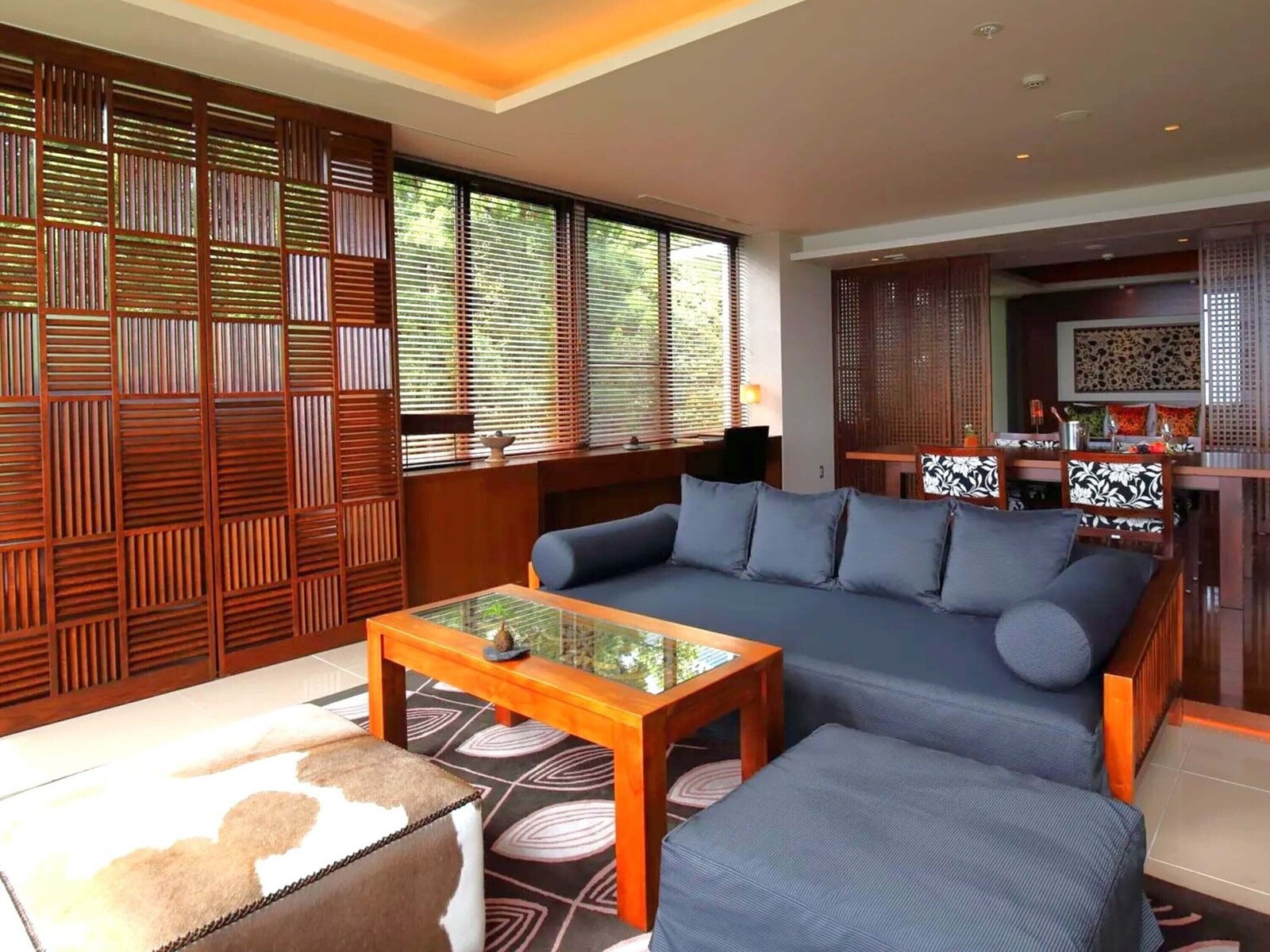
The largest categories are not simply larger versions of the standard rooms. They are for guests who expect to spend meaningful hours in private. The Sankara Suite in the main building is the grand ocean-facing option, with separate living space and a sense of occasion. It suits a couple celebrating something important, or anyone for whom an expansive interior and effortless proximity to the hotel’s principal spaces are central to the trip.
The renewed Villa Suite answers the desire for a shared retreat that still preserves privacy. With two bedrooms, extensive living space and a private sauna, it is designed for friends travelling together or a small group of older family members. Here, the sauna and outdoor areas are not incidental amenities; they create a private wellness sequence that can make a rain-softened afternoon feel like the highlight of the stay.
Do not describe every bath in these categories as an onsen. The hotel distinguishes the hot-spring reclining bath of the renewed Junior Suite from other baths and outdoor bathing features. That precision matters. Guests specifically seeking an in-room hot spring should confirm the wording attached to their exact room before booking.
Dining at Ayana and Okas
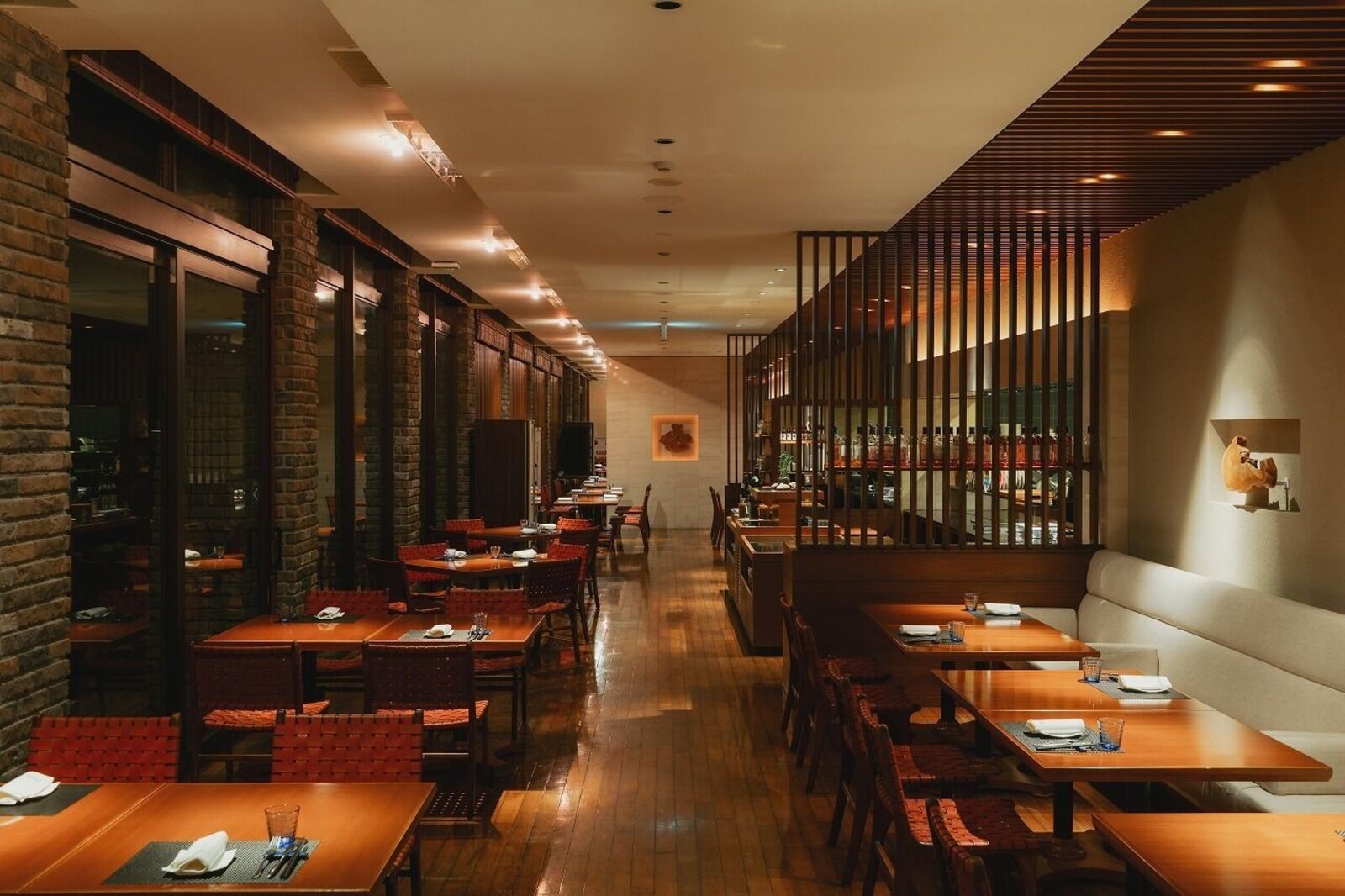
Sankara calls itself an auberge, and that description should shape the reservation. The two restaurants are not interchangeable afterthoughts. Ayana is the relaxed dining room associated with the villa experience, while Okas presents a formal full-course dinner generally connected with suite stays. Both draw on the produce, seafood and seasonality of Yakushima and Kyushu, but the tempo and structure differ.
For many villa guests, Ayana is exactly right after a day outdoors: polished enough to feel special, yet relaxed enough that the evening does not become a performance. Okas is for the night when dinner itself is an event. If you are booking a suite partly for the culinary experience, confirm that the selected plan includes the expected restaurant. If you are booking a villa and hope to dine at Okas, enquire early; an upgrade may be available for an additional charge, but it is subject to availability and should not be treated as automatic.
Dinner should be read together with the room reservation. Ayana offers a choice-led prix-fixe meal, while Okas unfolds as a composed full course for suite guests. Neither needs to be presented as the lesser experience; they give the evening different structures, and the selected rate plan determines what is included.
The infinity pool, spa and sauna: how to use a hotel day
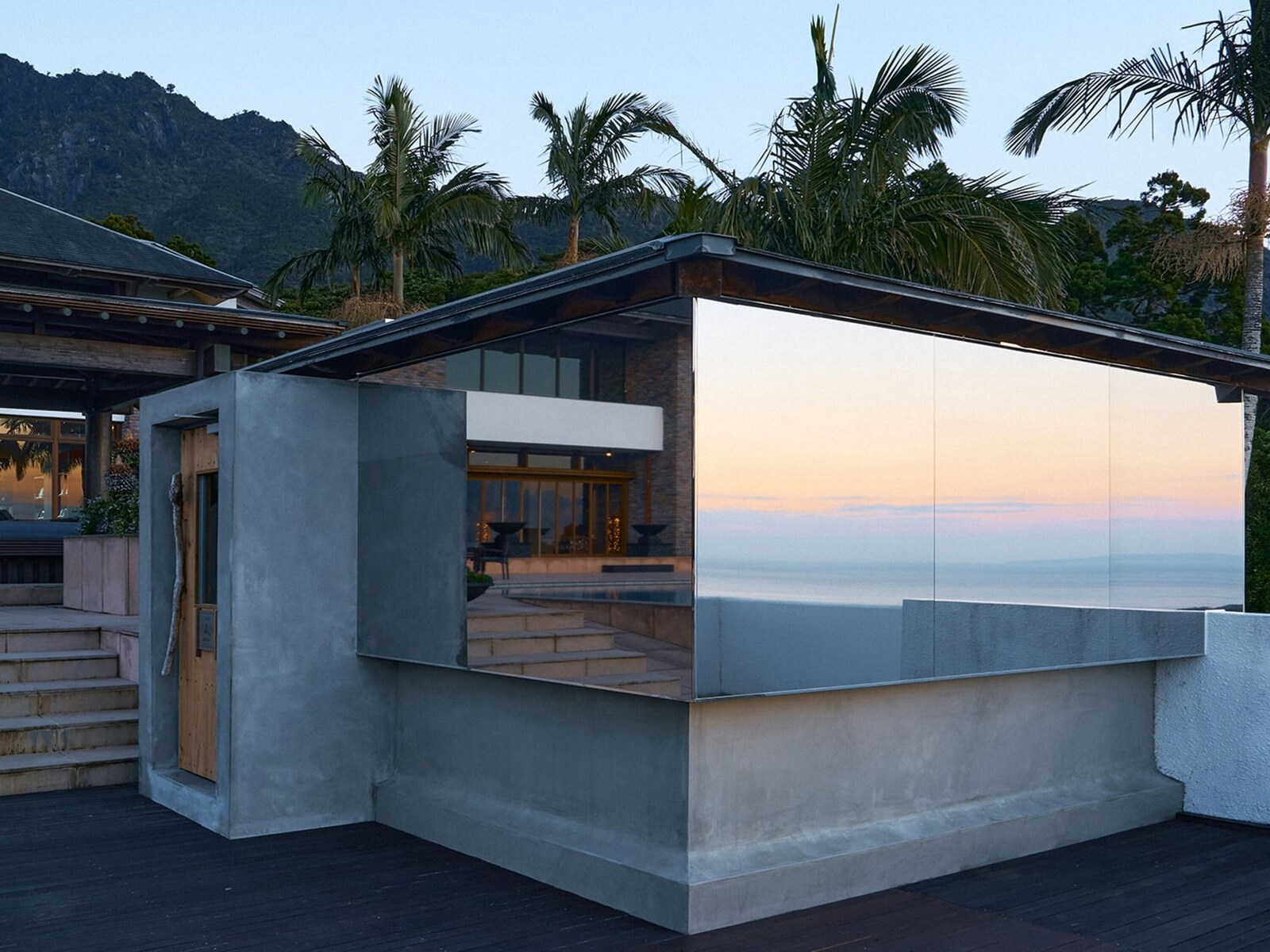
The infinity pool is Sankara’s visual signature, stretching the gaze from the building toward the Pacific. It is most memorable not as a checklist attraction but as a place to pause between breakfast, a treatment and the evening meal. Because weather and seasonal operations can affect outdoor facilities, confirm current pool hours and availability for your dates rather than assuming year-round swimming.
The spa offers a gentler counterpoint to Yakushima’s demanding walks. A treatment after the forest can be more than indulgence: it helps turn an active island itinerary into a genuine retreat. The separate sauna, and the private sauna attached to the renewed Villa Suite, add another way to enjoy the hotel when rain settles over the island. Yakushima’s weather is not a flaw to be edited out of the experience. At Sankara, it can become the reason to slow down.
See Sankara Yakushima rooms and current rates on Expedia →(Paid link)
Two nights or three? The stay length that makes sense
One night is possible, but rarely persuasive. Arrival on Yakushima depends on flights or ferries, and the island’s roads and weather encourage modest expectations. With only one night, the resort may become an expensive dinner stop between transfers. Two nights allow one significant excursion and one evening in which the hotel begins to feel familiar. For travellers with limited time, that is the practical minimum.
Three nights can feel more natural if the budget and itinerary permit. A well-shaped stay might include arrival and a quiet first afternoon, a full forest day, and a slower day for the pool, spa, garden or a shorter outing. This protects the journey from becoming entirely weather-dependent and gives the room, restaurants and wellness spaces time to become part of the trip.
Getting there: free airport transfers, ports and island timing
Sankara provides complimentary transfers between Yakushima Airport and the hotel with advance reservation. The hotel also gives specific guidance for port arrivals, and travellers using Miyanoura Port should consult the property rather than assume the same direct arrangement. Anbo is the more convenient port for the hotel’s southern location, while Miyanoura sits considerably farther away.
Send arrival details well in advance and avoid making a tight first-day itinerary. Flights and ferries can be affected by conditions, and the calmest plan is to treat arrival day as the beginning of the retreat. For independent island exploration, a rental car can be valuable; the hotel also lists an on-site rental service, subject to advance availability. Guests relying on transfers and guided outings should discuss their plan with the hotel before arrival.
What to know before booking
- Age policy: the current hotel policy is for guests aged 13 and above. Confirm the policy attached to your reservation.
- Room names matter: do not assume every villa has an ocean view, private sauna or hot spring. Match the exact feature to the exact category.
- Meals vary by plan: confirm whether breakfast only or dinner and breakfast are included, and which restaurant applies.
- Airport transfer: complimentary service requires advance reservation; send flight details early.
- Sankara Fund: the hotel collects a small contribution for Yakushima nature conservation, currently stated as ¥500 per person per stay.
- Weather: build flexibility into excursions and verify seasonal facility hours.
- Smoking: rooms are non-smoking; check current designated-area guidance directly with the hotel.
Choosing a Room by the Time You Want to Spend There
The room name determines more than space. Manasa Villa turns inward to the forest; the Junior Suite brings the sea and hot-spring water into the bathing ritual; the Sankara Suite gives the ocean a larger place in the day; and the Villa Suite creates a private two-bedroom retreat around its terrace and sauna.
| Room family | Setting and feature | Best for |
|---|---|---|
| Manasa Villa | 53㎡ detached villa within the forest garden | Privacy and a stay shaped by the greenery |
| Junior Suite | 71㎡ main-building suite, sea view and hot-spring reclining bath | Couples wanting the room and bathing ritual to be part of the destination |
| Sankara Suite | Grand ocean-facing main-building suite with separate living space | An occasion-led stay and substantial private time |
| Villa Suite | Renewed two-bedroom villa, extensive living space and private sauna | Friends or older family travelling together |
The most useful booking question is not which category ranks highest, but which part of the stay should remain private to the room. A day spent mainly on the island’s trails gives the villa a particular calm on returning; an unhurried hotel day allows the sea-facing suites and their bathing spaces to become part of the journey itself.
Final verdict
Sankara’s distinction lies in the way the island enters the stay at several scales: forest outside a villa, sea beyond a suite, local ingredients at dinner and long roads leading toward Yakushima’s interior. The hotel is most coherent when none of these is hurried. A room, a meal and a day beyond the grounds become parts of the same island journey.
Two nights give that journey room to breathe; three allow the hotel and the island to share the itinerary more naturally. Sankara is not merely somewhere to sleep before seeing Yakushima. Its quietest luxury is the permission to see the island more slowly.
View Sankara Yakushima rooms, prices and availability on Expedia →(Paid link)
Related reading
Auberge eaufeu
The Hotel Seiryu Kyoto Kiyomizu
Luxury Hotel Guides in Japan