Check Park Hyatt Kyoto rates and availability on Expedia →(Paid link)
Park Hyatt Kyoto’s address carries as much weight as the name above the door. Set within Higashiyama’s preserved streets, the hotel has 70 rooms, including nine suites, with standard categories beginning at 45 square metres. Only the designated Pagoda View rooms promise a direct view of Yasaka Pagoda.
Dining ranges from Yasaka’s French-influenced teppanyaki to the neighbouring Kyoyamato ryotei, while the third-floor Wellness Center has a bathhouse but no advertised pool. The booking question is concrete: how much do Ninenzaka, carefully separated room views and this dining collection matter to the shape of a Kyoto stay?
See available Park Hyatt Kyoto room plans on Expedia →(Paid link)
Seventy Rooms Inside Higashiyama’s Preserved Streets
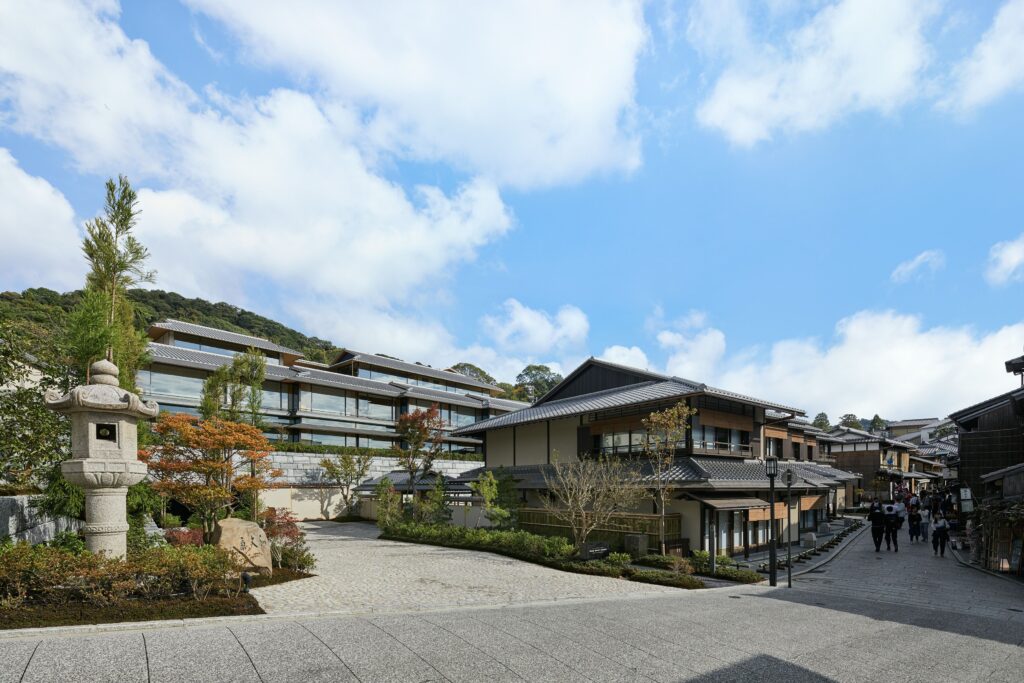
Park Hyatt Kyoto sits inside what the hotel describes as Kyoto’s largest preserved traditional building district.
The inventory is compact: 70 rooms, including nine suites. Official room descriptions point to fragrant tamo wood, local materials, work by Kyoto artists and Japanese gardens across the property. These are specific design choices, not evidence that every room has the same outlook or layout.
Compare Park Hyatt Kyoto rates for your dates on Expedia →(Paid link)
Tsuboniwa and Pagoda Views Within the 45-Square-Metre Rooms
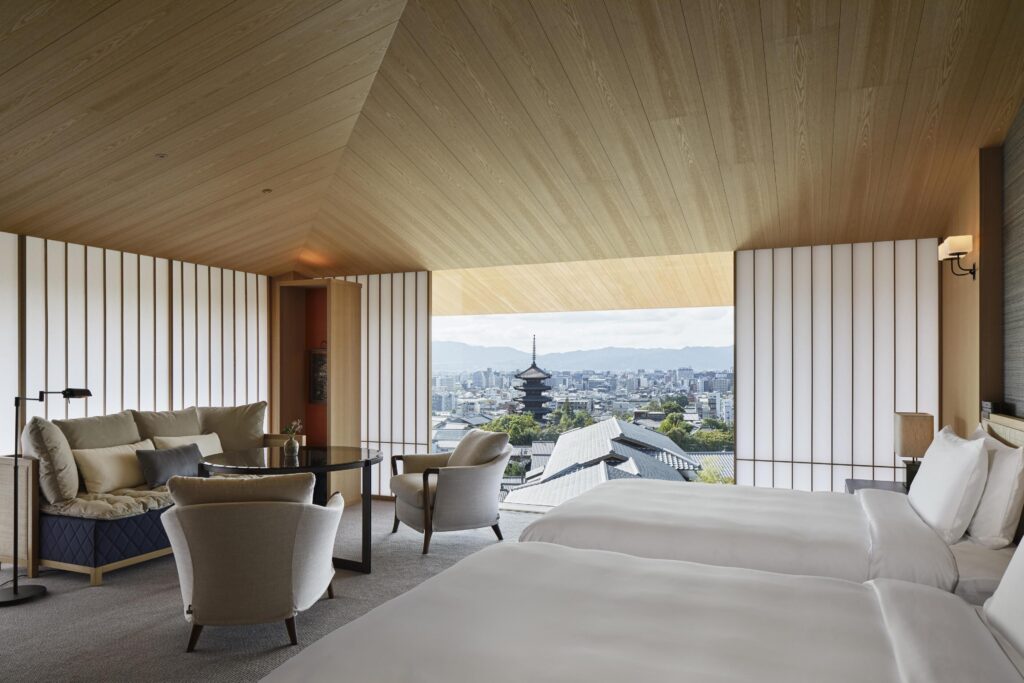
The standard 1 King Bed and 2 Twin Beds rooms measure 45 square metres. Garden View, Garden Terrace and Pagoda View categories are also 45 square metres, but the names mark real differences.
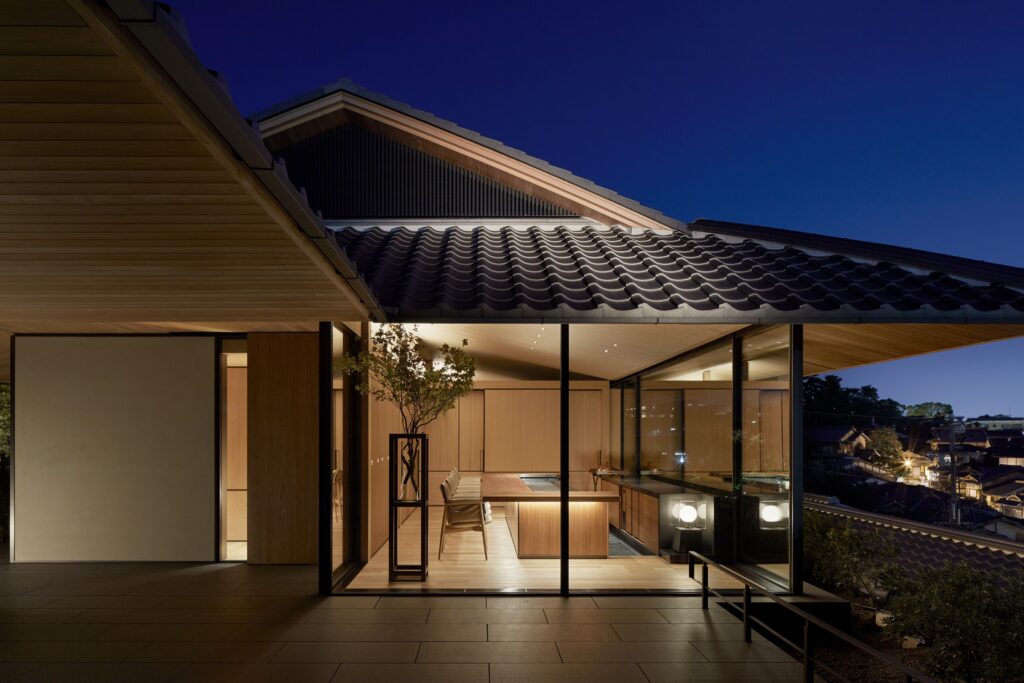
Garden Terrace rooms add a private tsuboniwa. Pagoda View rooms explicitly frame Yasaka Pagoda, while that view should not be assumed elsewhere. Hyatt also notes that rooms within the same category can differ in view and layout. Deluxe rooms and the Park Suite move to 68 square metres; the gain is additional space.
Check current Park Hyatt Kyoto availability on Expedia →(Paid link)
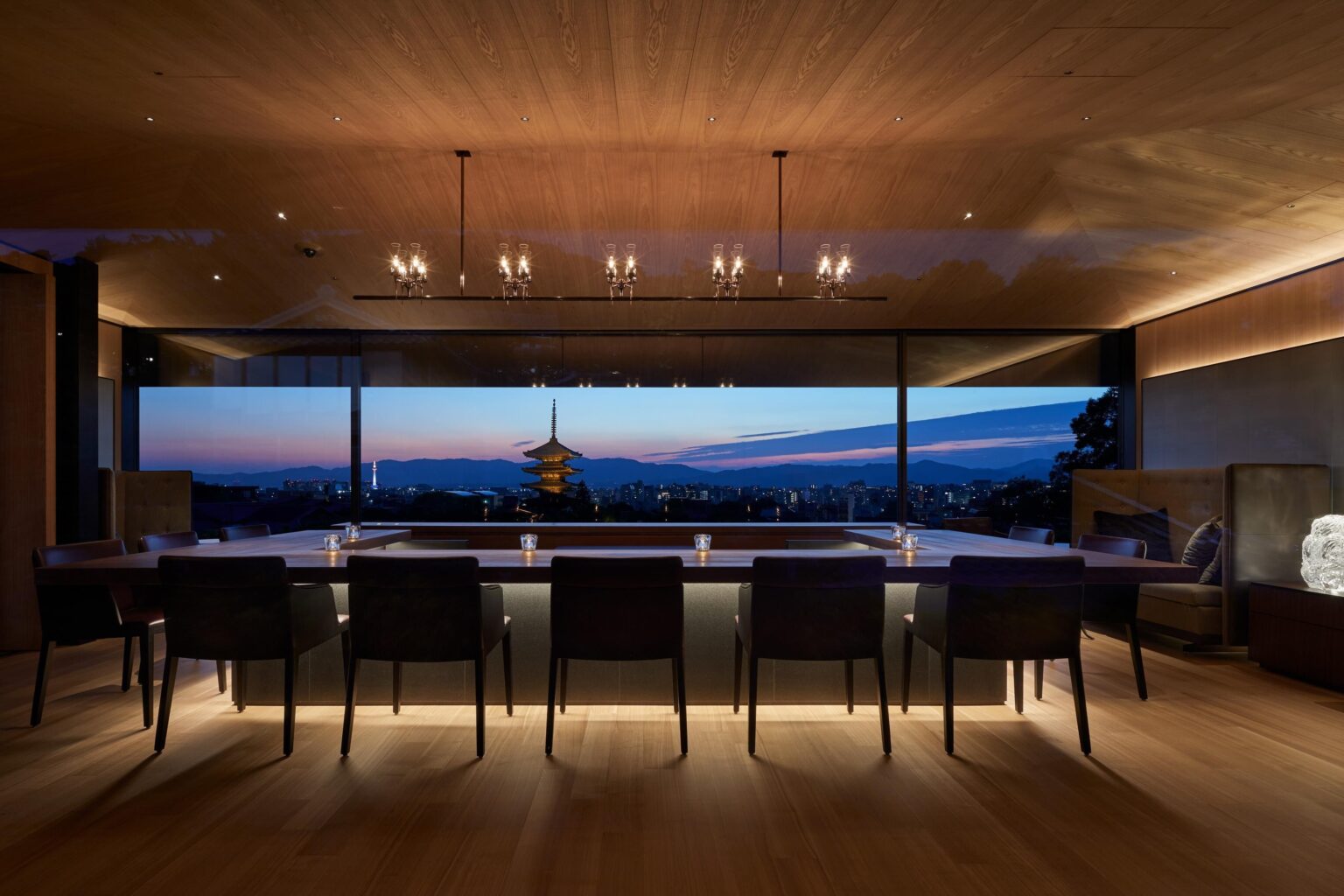
Yasaka Pairs Teppanyaki with a Pagoda View
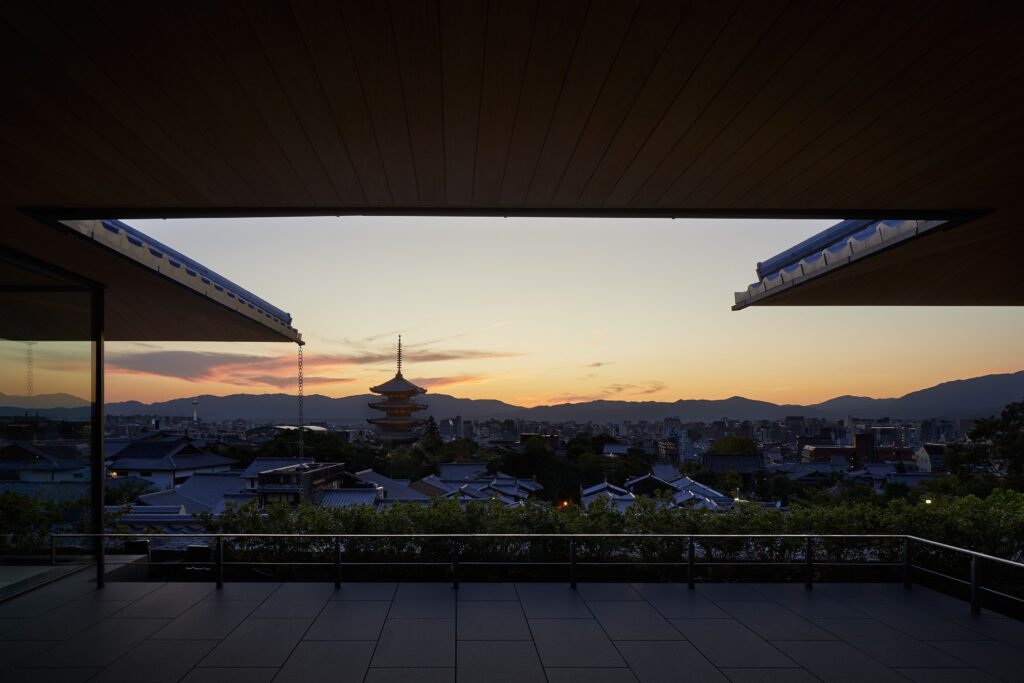
Yasaka is not a general Japanese restaurant. It is the hotel’s signature teppanyaki room, using French techniques with carefully selected ingredients.
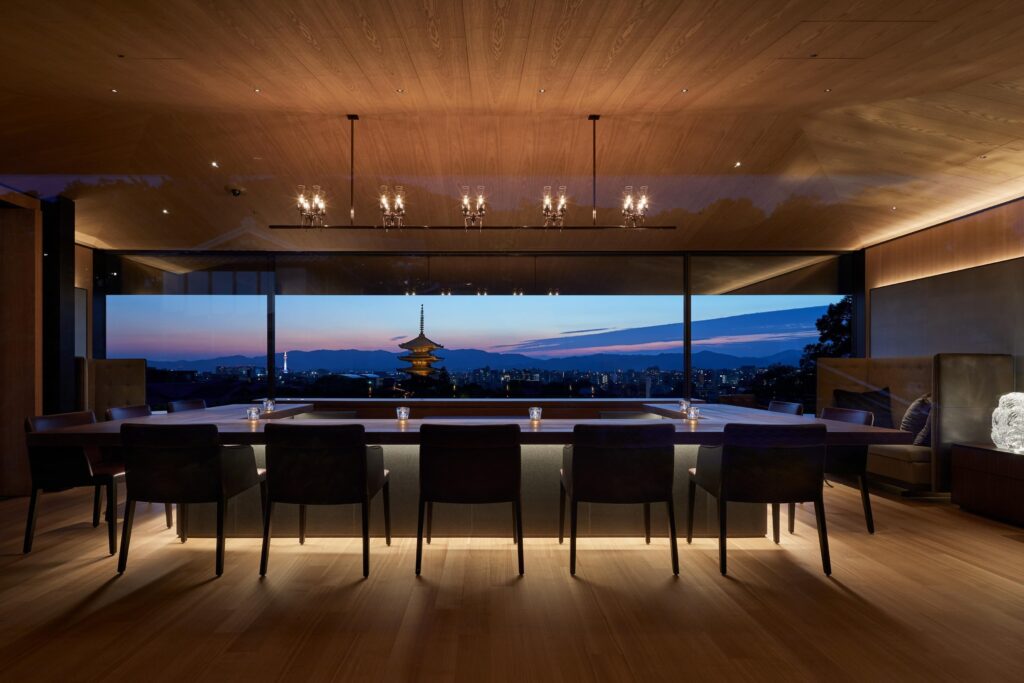
Floor-to-ceiling windows face Yasaka Pagoda and the city skyline. The cooking counter and the view share the room, making the setting part of the restaurant’s identity without requiring claims about service or personal experience.
Kyoyamato’s 1877 Ryotei Beside the Hotel
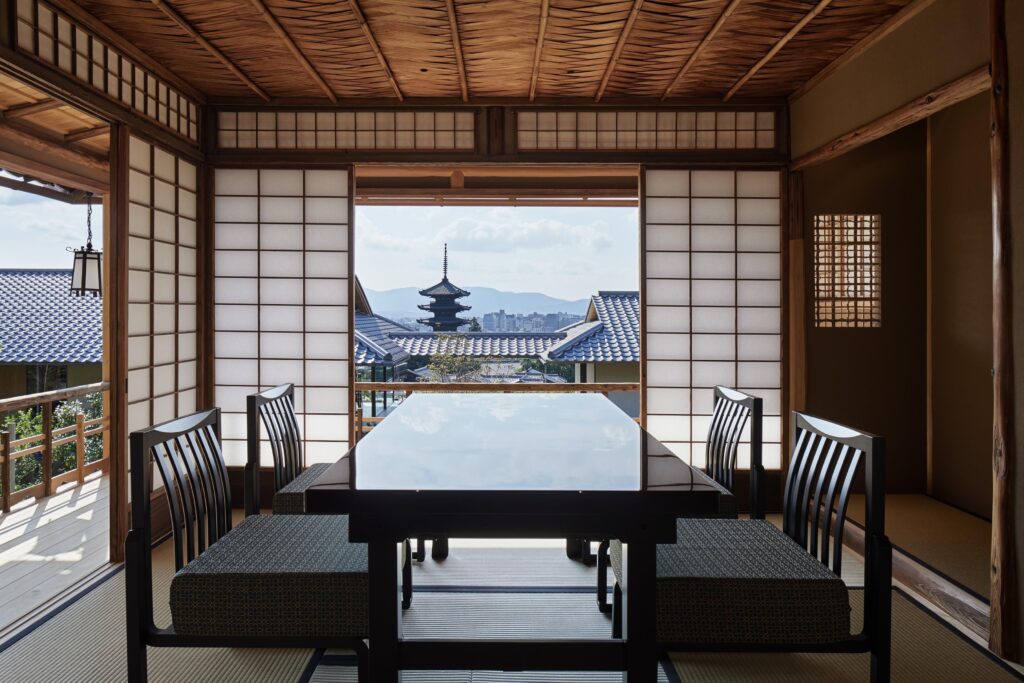
Kyoyamato is a family-run ryotei dating to 1877. It stands alongside Park Hyatt Kyoto and is integrated into the guest experience while retaining its own history and identity.
The ryotei serves traditional kaiseki within a group of heritage buildings designated as cultural assets by Kyoto City. Its history and architecture deserve their own place in the article, rather than another line in a hotel dining list.
Kyoto Bistro on Ninenzaka, Kohaku Above the City
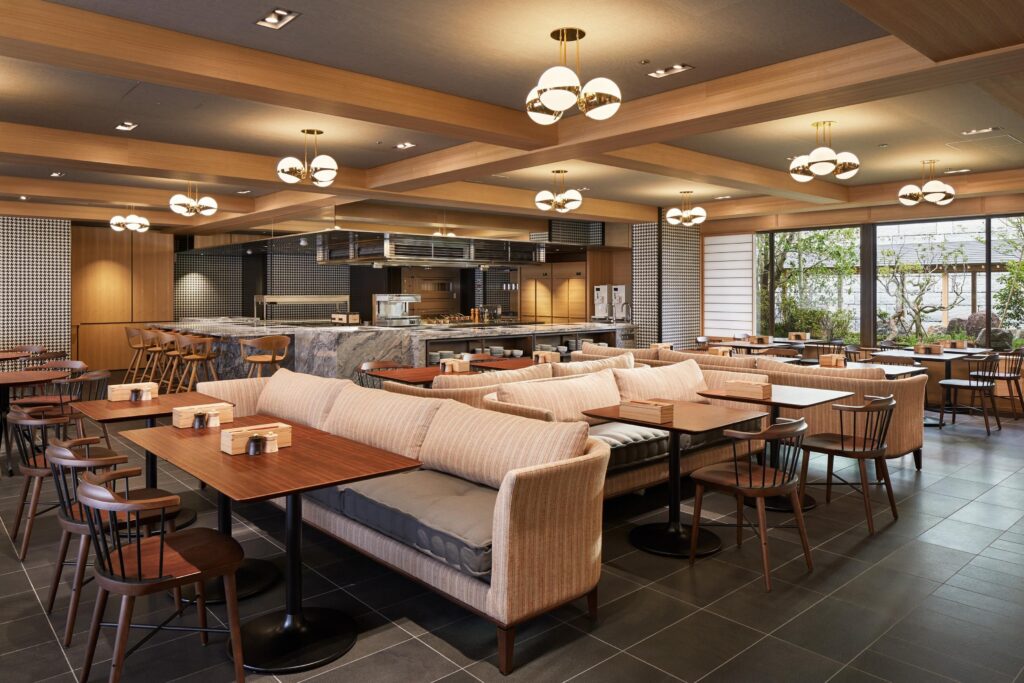
Kyoto Bistro is the more casual address: an all-day, street-side café on the first floor, facing the flow of Ninenzaka.
Kohaku occupies a different register. The bar sits beside Yasaka, looks towards the pagoda and city, and works with Kyoto-based makers of whisky, sake and gin. One venue stays close to the street; the other takes the wider view.
Inside the Third-Floor Bathhouse and Private Treatment Suite
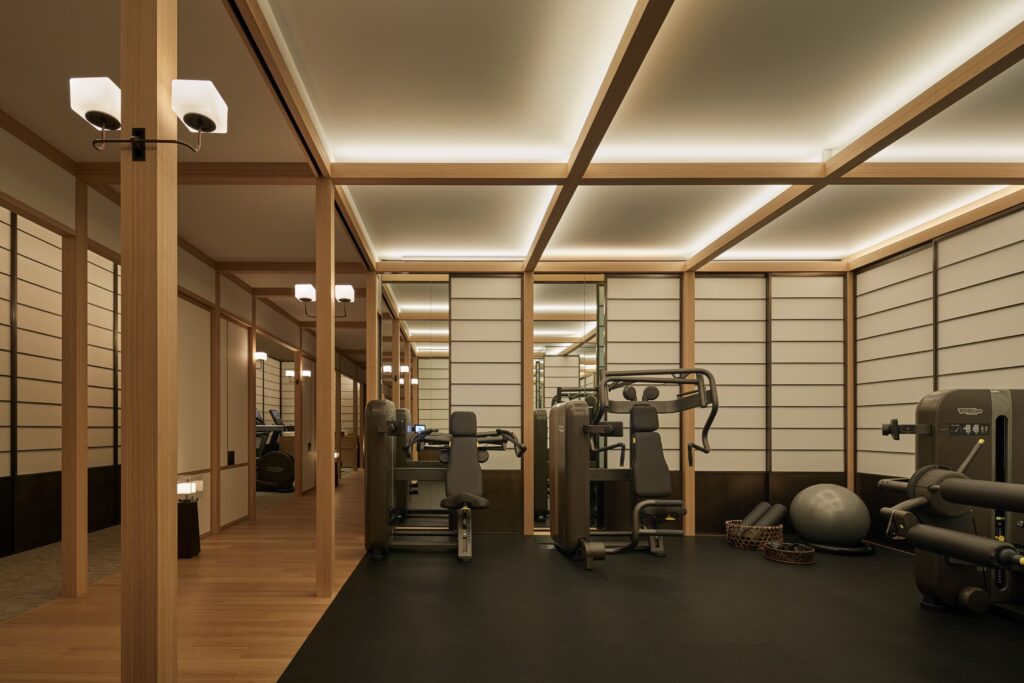
The Wellness Center brings together the spa, fitness area and bathhouse on the third floor. The spa has a private treatment suite with an adjoining relaxation lounge. The bathhouse includes dry and wet steam rooms and a sauna.
Fitness access is available around the clock to hotel guests. The current official pages do not list a swimming pool, a useful distinction for anyone comparing wellness facilities. Treatment availability, bathhouse hours and access rules are better checked close to the stay.
This is a Higashiyama hotel, not a station-side base. Its preserved setting, Ninenzaka frontage and pagoda views are part of what the room and dining categories sell. For a rail-heavy itinerary, station access may matter more; for time centred on eastern Kyoto, the neighbourhood carries more weight.