Check Banyan Tree Higashiyama Kyoto rates and availability on Expedia →(Paid link)
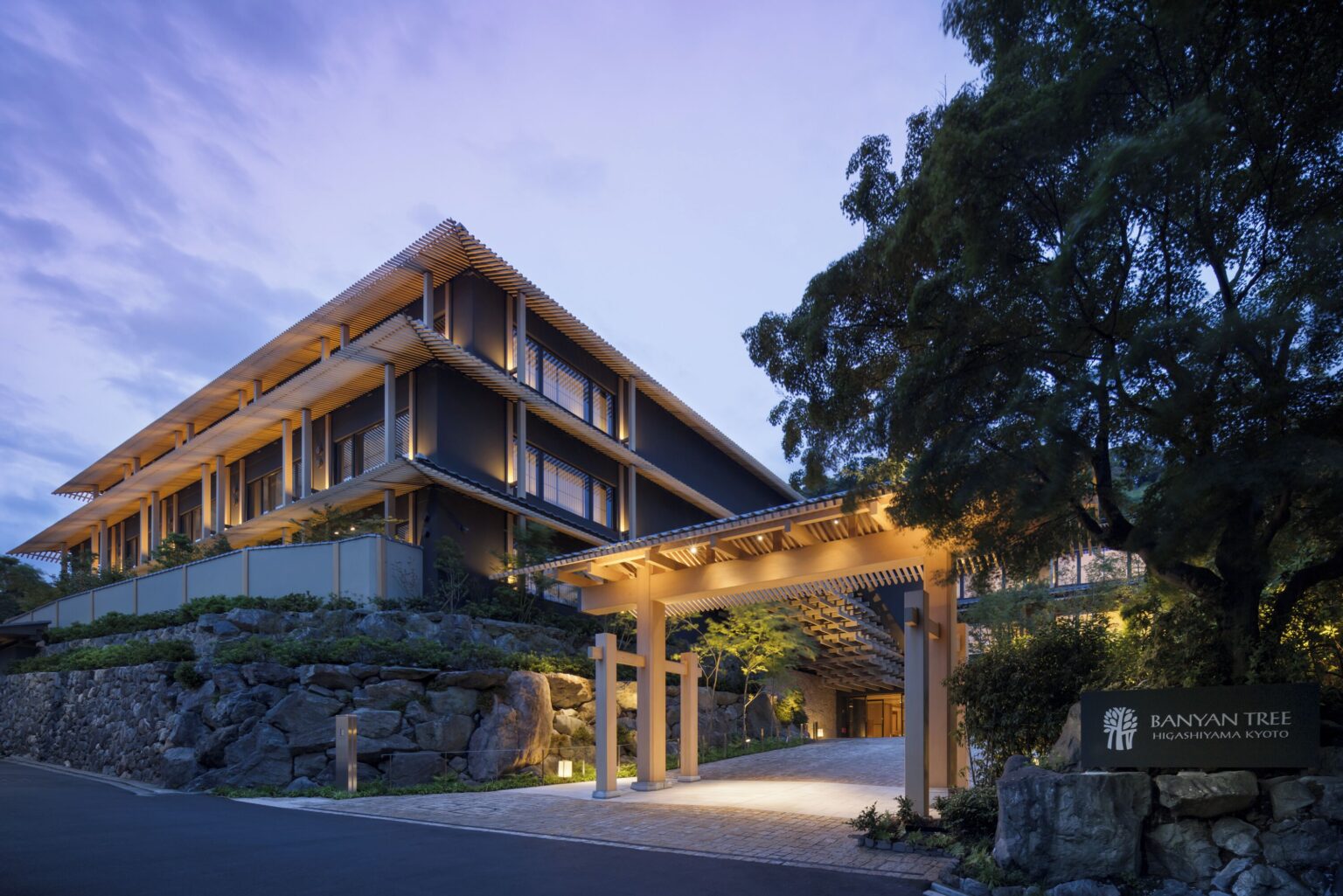
Banyan Tree Higashiyama Kyoto makes its case with a combination that is unusual even among Kyoto’s top hotels: a 52-room hilltop setting near Kiyomizu-dera, natural hot springs, and a Noh stage designed as part of the property. It is Banyan Tree’s first hotel in Japan, opened in August 2024 on the former Hotel Ryozen site.
The important qualification is that a private onsen is not standard in every room. It begins with the Onsen Retreat categories. Cultural performances at the Bamboo Pavilion also follow specific schedules and eligibility rules rather than taking place every night.
This is therefore a particularly strong candidate for travelers who want to spend time in Higashiyama and return to a self-contained retreat. Those planning frequent rail trips, or anyone who prefers a flat approach to the hotel, should weigh the hillside address more carefully.
See available Banyan Tree Higashiyama Kyoto room plans on Expedia →(Paid link)
What Makes This 52-Room Hilltop Hotel Different
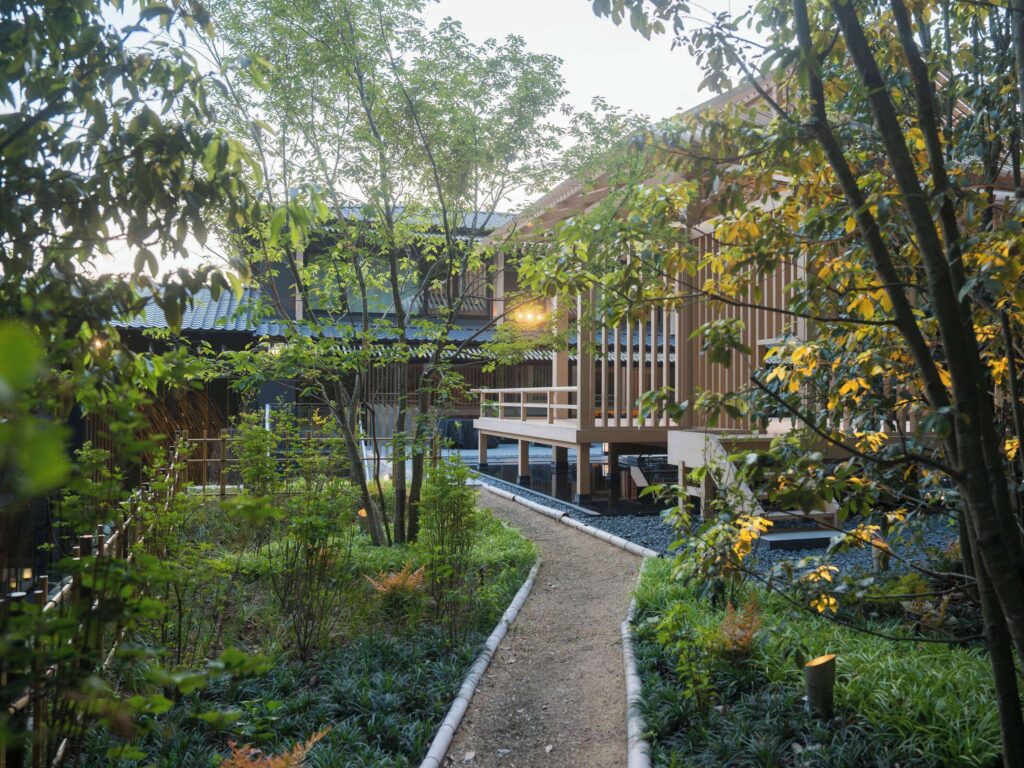
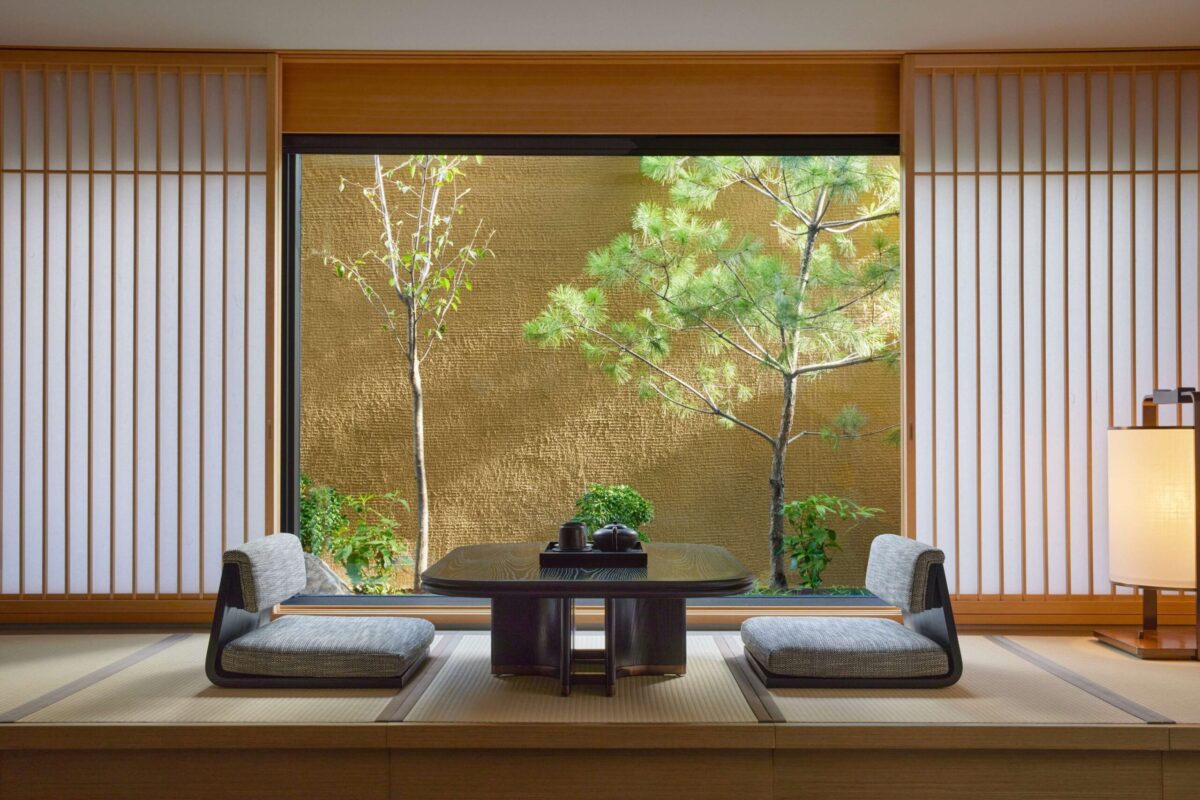
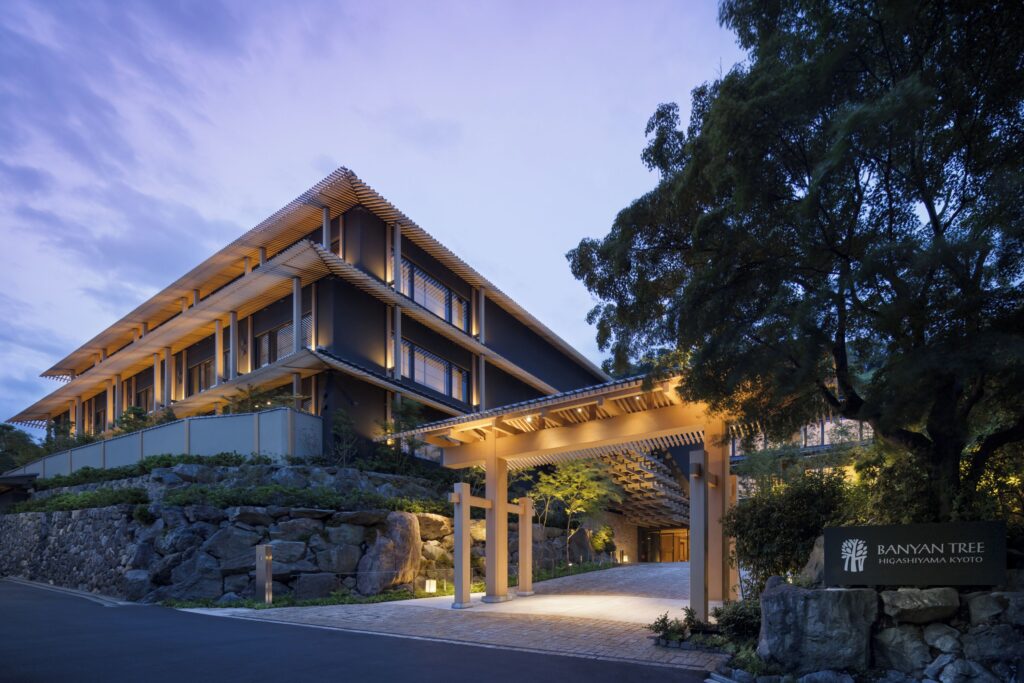
Banyan Tree Higashiyama Kyoto is set above the historic streets of eastern Kyoto, beside a bamboo forest and within walking distance of several major temples. Kengo Kuma & Associates designed the hotel, pairing contemporary interiors with timber, tatami and views toward gardens, hills or the city.
The clearest point of difference is the Bamboo Pavilion. Banyan Tree describes it as the only Noh stage at a hotel in Kyoto. The stage is not simply decorative: scheduled Noh, geiko and maiko, koto and shakuhachi programs use it, although the calendar varies.
- Opened: August 2024
- Rooms: 52 across eleven categories
- Check-in / check-out: 3:00 pm / 12:00 pm
- Key features: select rooms with private natural onsen, a shared hot-spring bath, Banyan Tree Spa, Ryozen dining and the Bamboo Pavilion
Compare Banyan Tree Higashiyama Kyoto rates for your dates on Expedia →(Paid link)
Which Rooms Actually Include a Private Onsen?
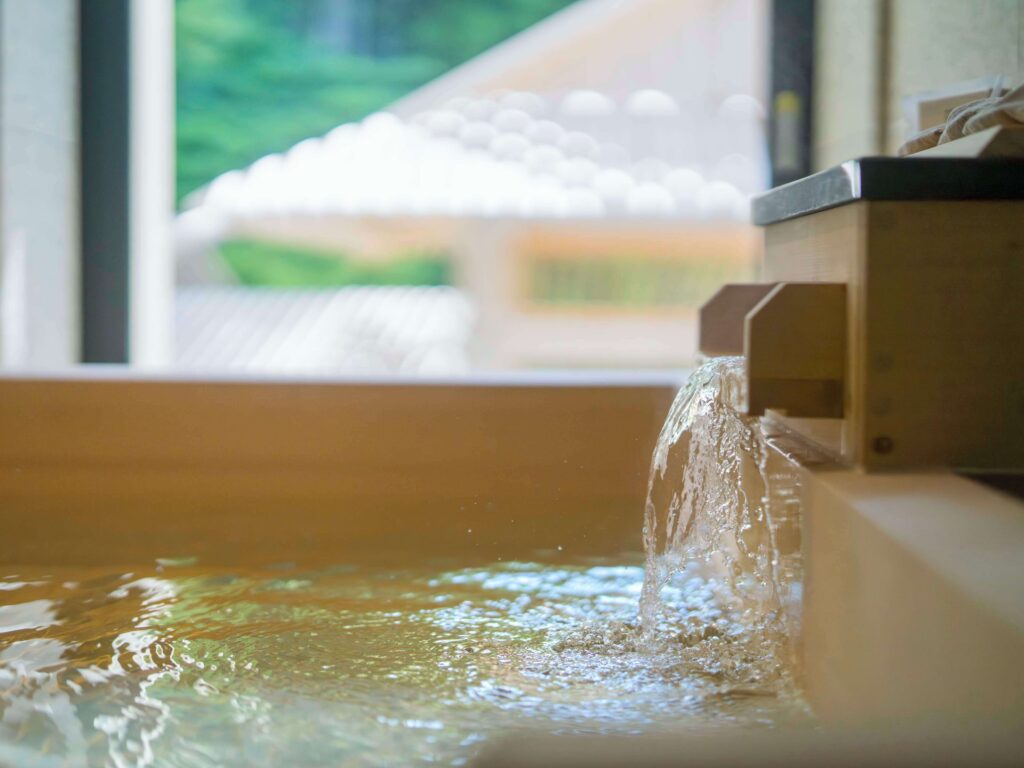
Book by the exact room name if private bathing is central to the trip. The Onsen Retreat King and Twin rooms are 55 square metres and pair a private natural hot spring with courtyard garden views. Grand Onsen Retreat rooms expand the layout to roughly 56–59 square metres, while the Banyan Onsen Retreat King is the largest option at 74.5 square metres.
Serenity and Grand Serenity rooms do not include a private onsen. They range from 48 to 63 square metres and instead have a wooden soaking tub, tatami flooring and a separate walk-in shower. Wellbeing Sanctuary rooms, at 50–55 square metres, add space or equipment for yoga and exercise but also sit outside the private-onsen group.
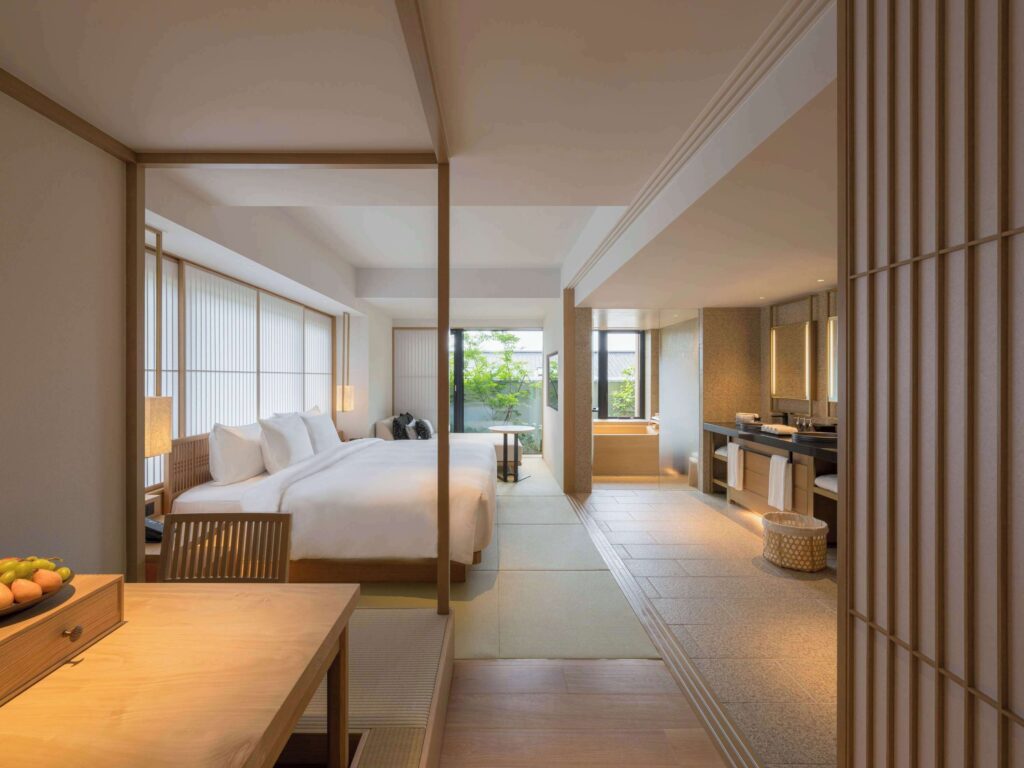
All listed room categories accommodate up to three guests. Views vary by category and may face the garden, street or city, so room type matters for more than the bath. Couples choosing the hotel primarily for an in-room hot spring should start with Onsen Retreat, then compare the additional space and direct-booking benefits attached to the higher categories. Benefits and rate conditions can change, so confirm them for the intended dates.
Check current Banyan Tree Higashiyama Kyoto availability on Expedia →(Paid link)
Ryozen, SEN Bettei and Bar Ryozen
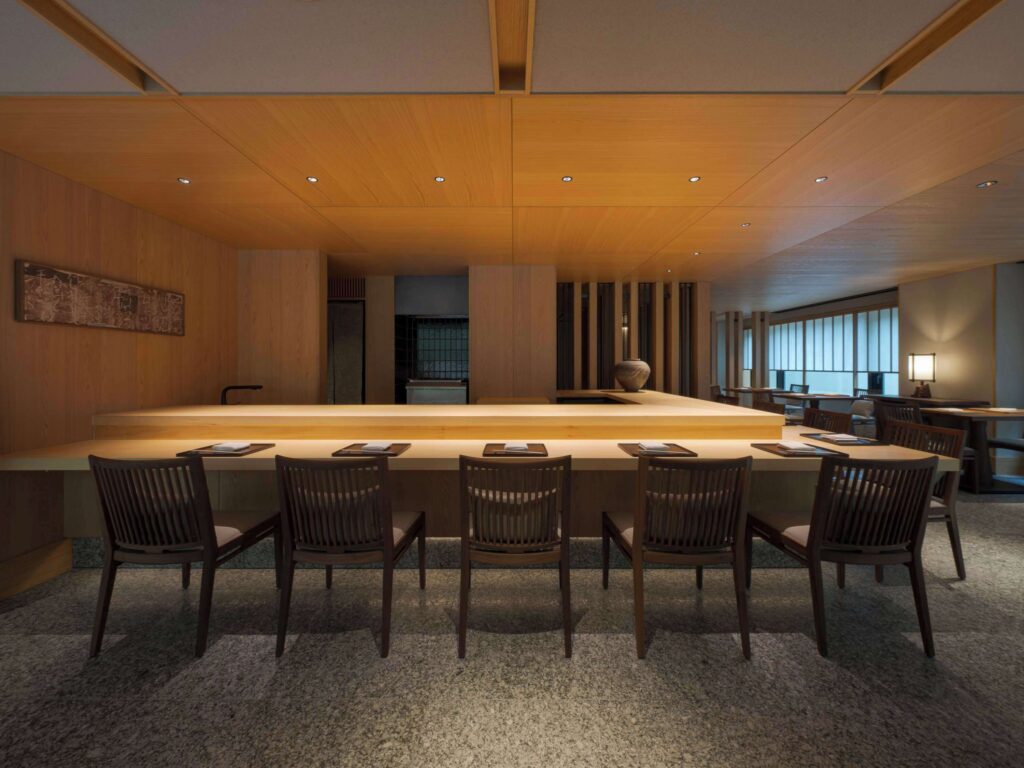
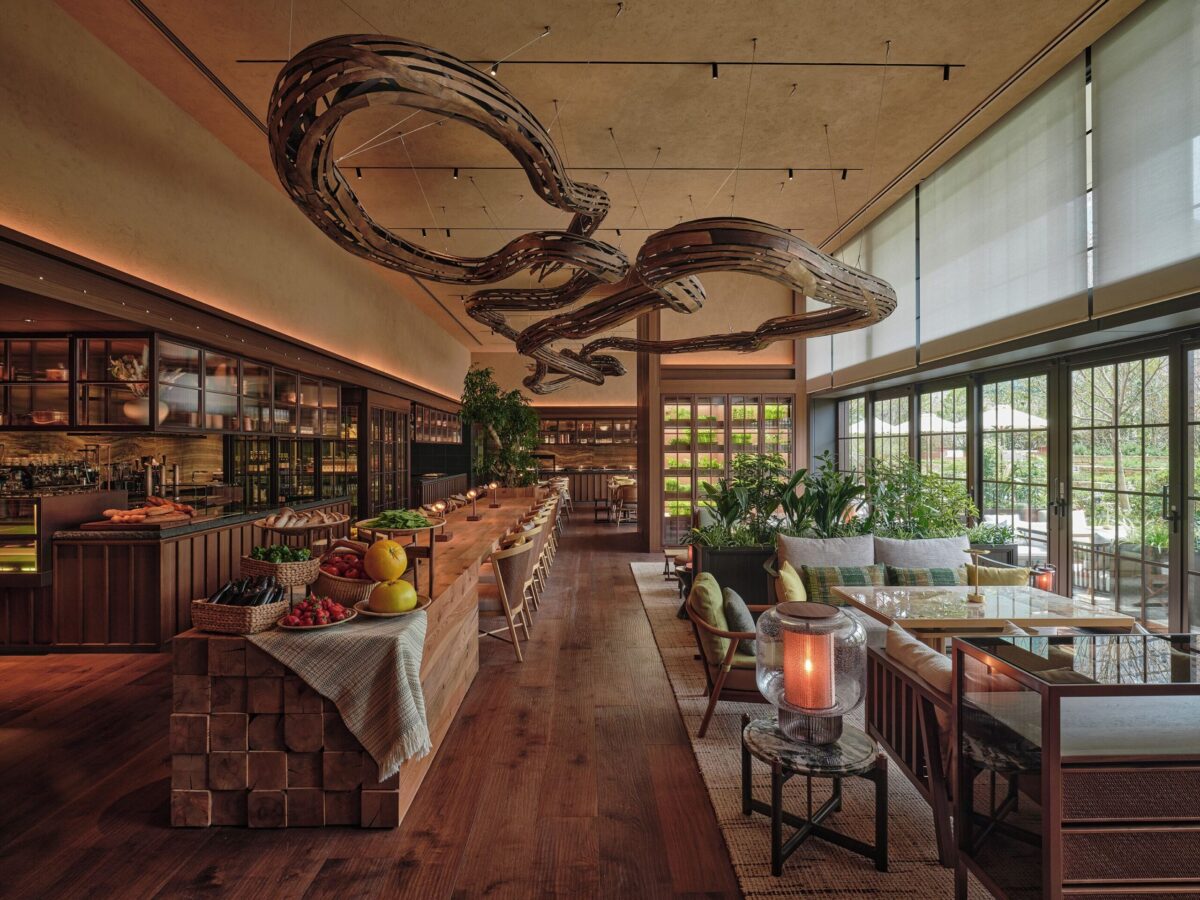
Ryozen is the hotel’s principal restaurant, serving Japanese dishes shaped by local and seasonal ingredients. Its schedule covers breakfast, afternoon tea and dinner, with kaiseki courses forming the center of the evening offering. The setting beside the Bamboo Pavilion makes dining part of the hotel’s broader focus on place rather than a generic all-day restaurant concept.
Ryozen SEN Bettei is more specialized: an eight-seat counter outpost of Kyoto restaurant SEN, with a single dinner seating on selected evenings. The operating pattern is limited and subject to change, so this is something to reserve and reconfirm rather than assume will be available during every stay.
Bar Ryozen focuses on local sake, including bottles from nearby Fushimi and other regions, alongside cocktails and light meals. Together, Ryozen, SEN Bettei and the bar cover the hotel’s principal dining formats without presenting the property as a large restaurant resort.
Natural Hot Springs, Spa and the Bamboo Pavilion
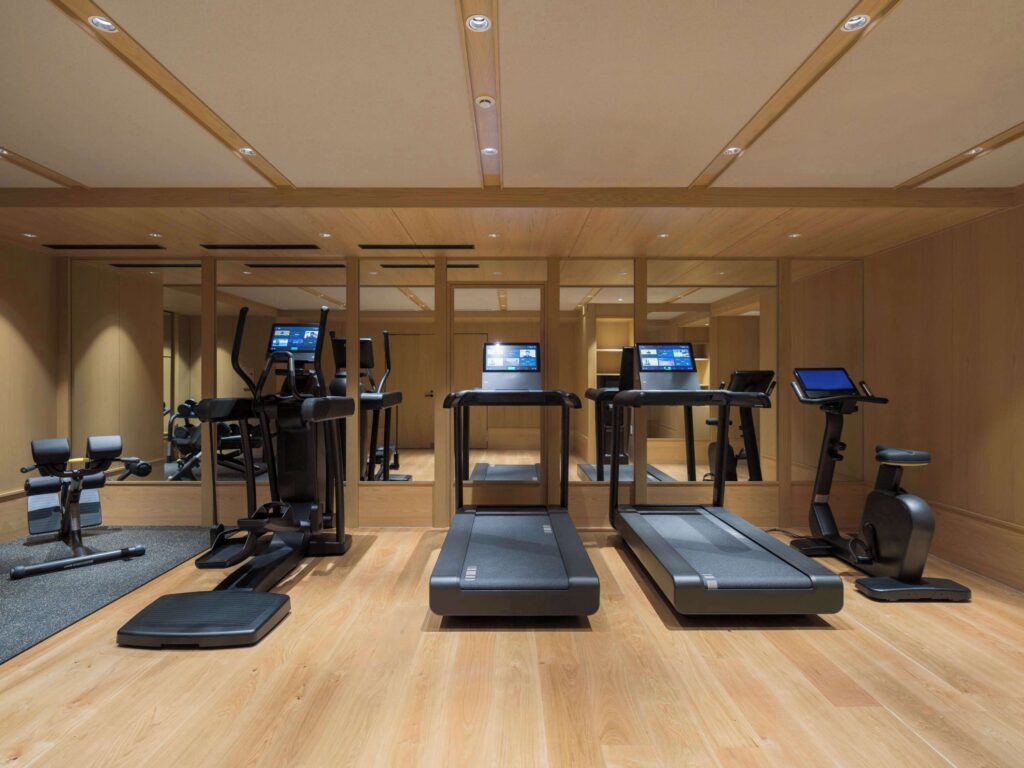
Guests who do not book an onsen room still have access to the hotel’s wider wellness facilities. The shared natural hot-spring bath is on the first floor and includes indoor and open-air bathing. Banyan Tree Spa and the fitness center are on the basement level; the spa combines treatments with hot-spring and steam-sauna facilities.
The distinction between these spaces is useful when choosing a room. A Serenity or Wellbeing Sanctuary category still places the hotel’s bathing and spa facilities within reach, while an Onsen Retreat moves the hot-spring experience into the room itself.
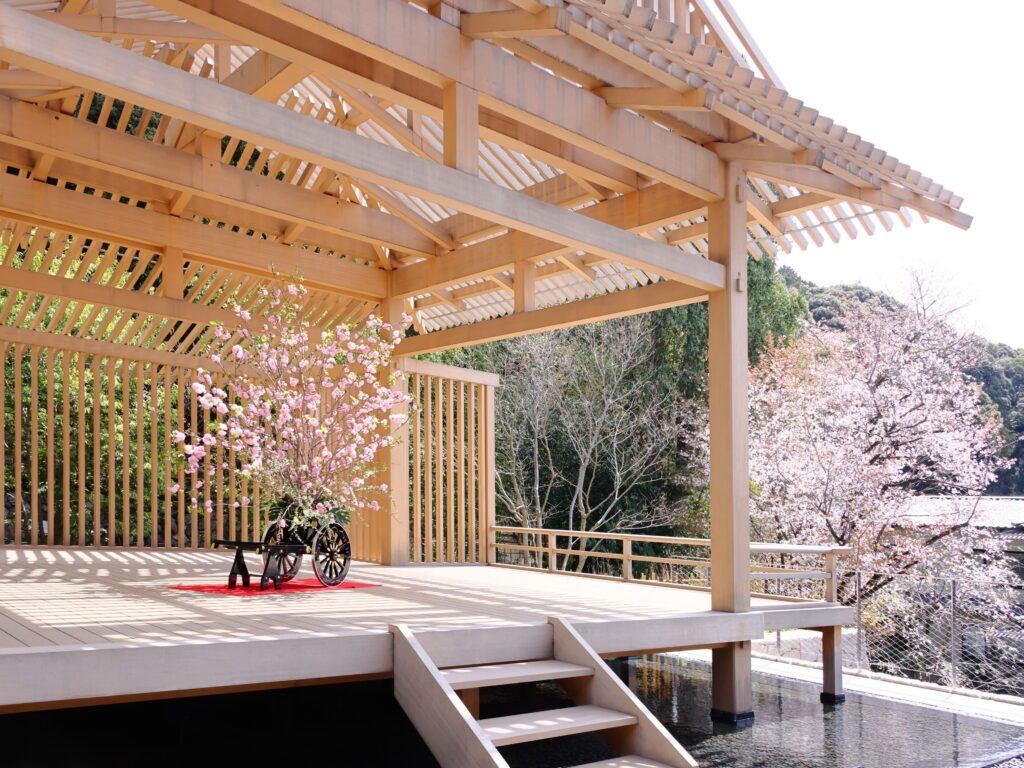
The Bamboo Pavilion gives the hotel a cultural focus beyond wellness. For the Noh performances currently listed by the hotel, attendance is limited to guests staying that evening or guests dining at Ryozen that day. Dates are intermittent. Check the official experience calendar before booking if a performance is an important reason for choosing the hotel.
Walking to Kiyomizu-dera — and the Trade-Off of a Hilltop Address
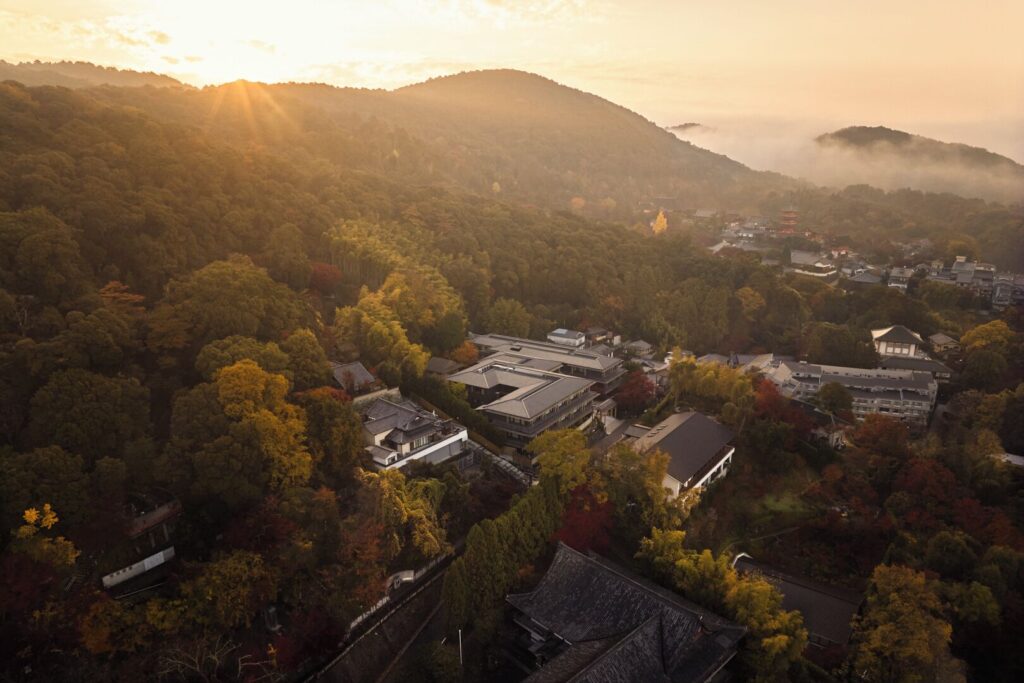
The hotel’s published distances put Kiyomizu-dera 0.8 km away, about a 12-minute walk, and Kodaiji 0.2 km away, about three minutes. Hokanji’s Yasaka Pagoda is listed at 0.5 km, and Kenninji at 0.9 km. This is a persuasive base for travelers who want early or late access to the Higashiyama temple district.
Distance alone does not tell the whole story. The hotel occupies a hillside, and the approach is not the same as stepping out beside a station or a flat shopping street. Kyoto Station is about 20 minutes away by taxi according to the hotel. Travelers planning repeated rail journeys to Osaka, Nara or western Kyoto may prefer a more transport-oriented base; those concentrating on Kiyomizu-dera, Kodaiji and the surrounding lanes gain more from this address.
Who Will Get the Most From This Hotel?
Banyan Tree Higashiyama Kyoto is best matched to a trip built around three priorities: time in eastern Kyoto, a quieter hillside setting, and meaningful use of the hotel’s onsen, spa, dining or cultural program. It also works well when the room itself is part of the reason to travel—especially if an Onsen Retreat category is chosen deliberately.
- Choose it for: temple-focused Higashiyama days, select private-onsen rooms, a compact 52-room scale and scheduled cultural performances.
- Think twice if: direct rail access, a flat neighborhood or a large choice of casual restaurants immediately outside matters more than retreat facilities.
- Check before booking: the exact room category, view, current dining schedule and whether a Bamboo Pavilion performance falls on the stay dates.
The result is not a universal answer to where to stay in Kyoto. It is a specific one: a modern hilltop hotel for travelers who want Higashiyama’s temples close by and are willing to trade station convenience for hot springs, a bamboo garden and more time within the property.
Compare Banyan Tree Higashiyama Kyoto With Other Stays
For another luxury option in the same part of the city, start with our Park Hyatt Kyoto Review. For a smaller Gion address, compare The Shinmonzen Review and Sowaka Review.
Other distinctive Kyoto stays include Aman Kyoto Review, The Ritz-Carlton Kyoto Review, Four Seasons Hotel Kyoto Review, Hotel The Mitsui Kyoto Review, Hoshinoya Kyoto Review, Six Senses Kyoto Review, and Dusit Thani Kyoto Review.
Planning a wider trip? Browse our Luxury Hotel Guides in Japan.